
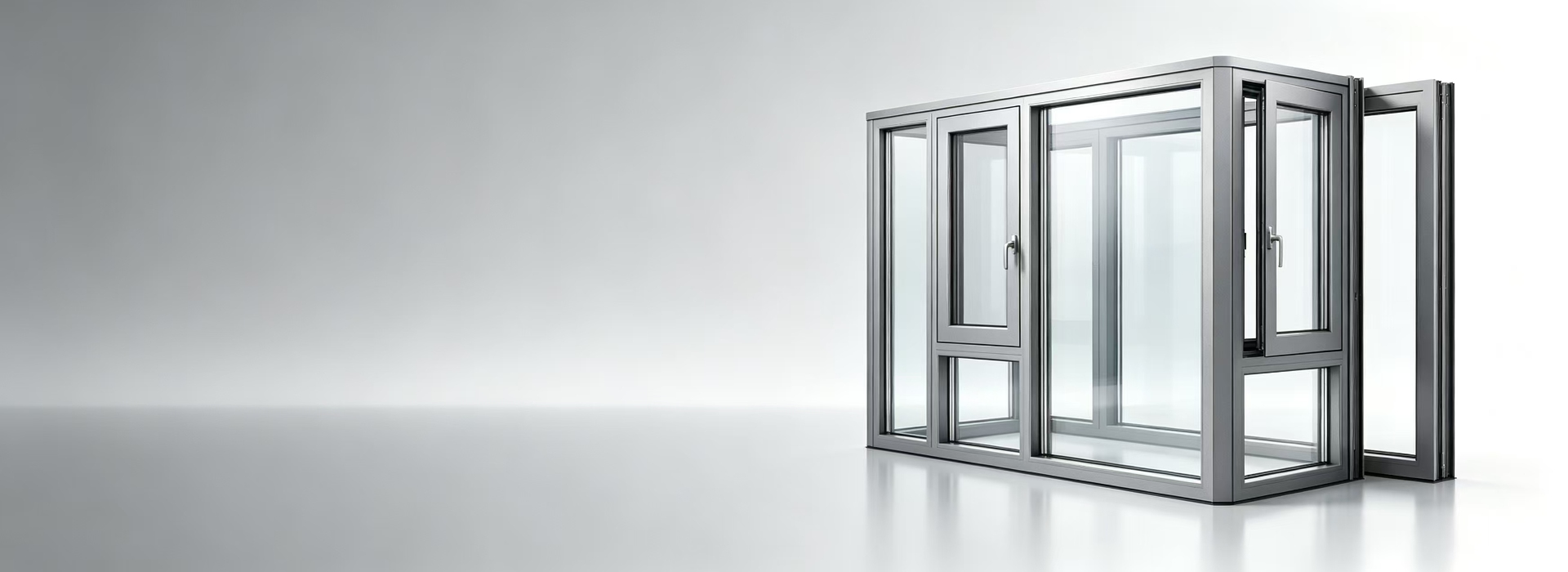
Why Choose Our Thermally Broken Aluminum Windows?
We can provide different thermal break and glazing configurations for cold climates, hot regions and areas with significant seasonal temperature changes.
We select aluminum profiles and low-conductivity insulating materials according to the required window system, helping maintain stable thermal performance and structural integrity.
From profile selection and thermal break configuration to glass, hardware and finished-window supply, we help simplify procurement by coordinating the key components through one manufacturer.
Your Reliable Thermally Broken Aluminum Windows Supplier
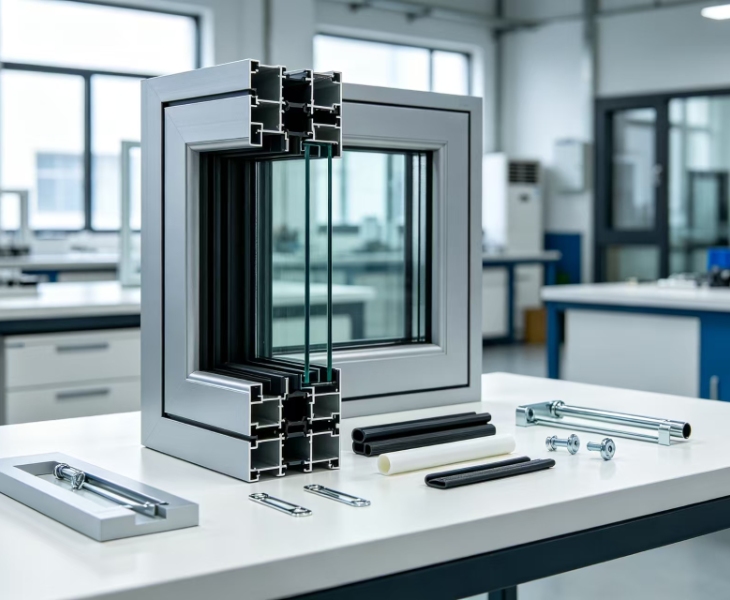
Verixor understands common window project concerns such as poor thermal insulation, excessive heat transfer between indoor and outdoor spaces and cold window frames in winter. Our thermally broken aluminum windows use a low-conductivity insulating layer between the inner and outer aluminum sections to interrupt the direct heat transfer path. Combined with double or triple glazing options, the window system helps reduce the influence of outdoor temperatures, improve indoor temperature stability, providing a more comfortable and energy-efficient solution for different building projects.
If your project requires thermally broken aluminum windows, please contact us for a customized solution.
Thermally Broken Aluminum Windows Product Categories
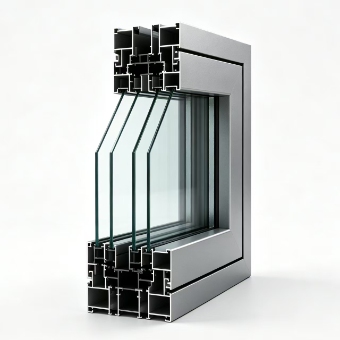
A practical configuration for improving frame insulation while balancing thermal performance and project requirements.
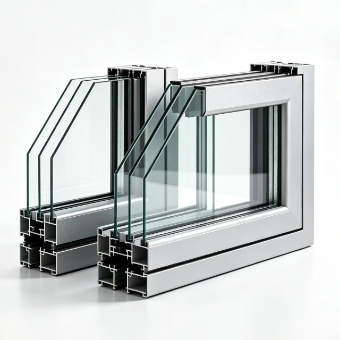
Designed for projects requiring a higher level of thermal insulation and greater resistance to outdoor temperature changes.
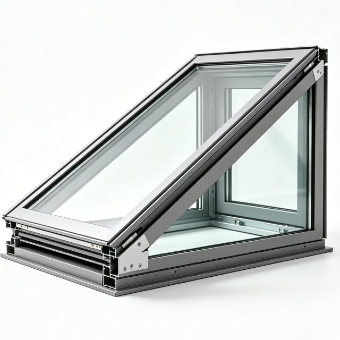
The thermal break design is especially important for roof windows exposed directly to outdoor temperature variations.
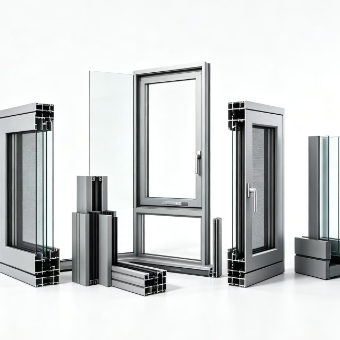
Window configurations can be selected according to project requirements, glazing specifications and architectural design.
Why You Need Thermally Broken Aluminum Windows?

Helps limit the influence of outdoor temperature on the inner frame.

Reduced heat transfer can help lower heating and cooling demand.

The complete window system can help reduce unwanted external noise.

Strong aluminum frames provide a stable physical barrier between interior and exterior spaces.
A Thermal Break Designed to Reduce Heat Transfer
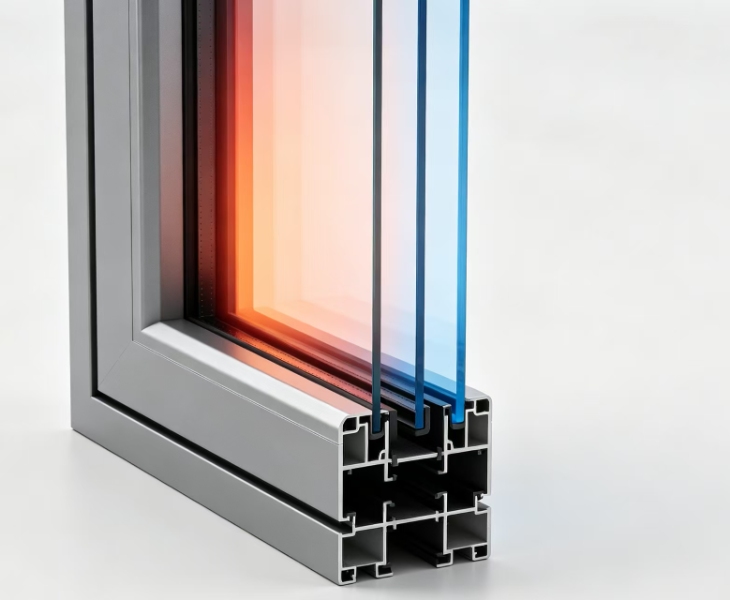
With our thermally broken aluminum windows, the insulating barrier is built between the inner and outer aluminum sections to interrupt the direct heat path through the frame. This helps reduce the impact of outdoor temperatures on the indoor-facing frame surface, giving you better temperature stability than a conventional aluminum window. For projects in regions with large seasonal temperature differences, this structure helps you reduce unwanted heat exchange through the window and create a more comfortable indoor environment.
Higher R-Value for a More Efficient Window System
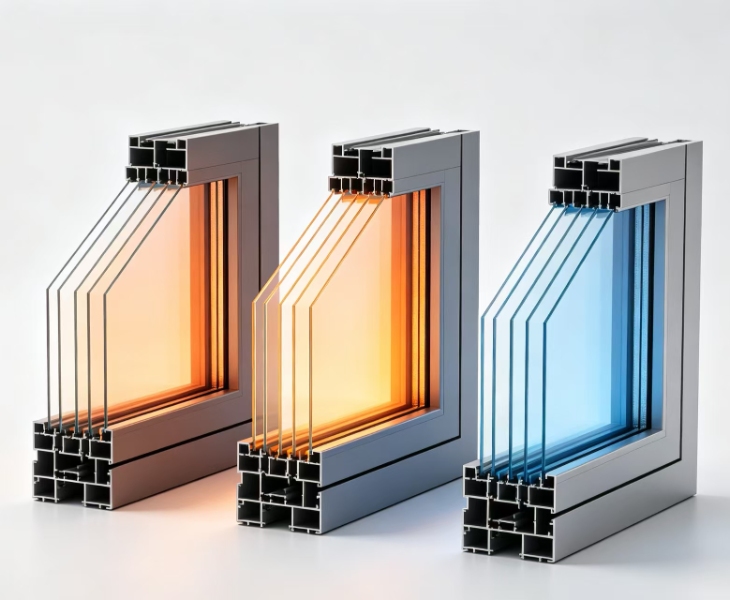
Choosing the right thermally broken aluminum windows means looking beyond the aluminum frame itself and considering the overall thermal performance. Our window system can be configured with double or triple glazing to meet different insulation requirements.A traditional double-glazed aluminum frame has an R-value of about 0.26, compared with about 0.8 for a double-glazed thermally broken frame and up to 1.0 for a triple-glazed thermally broken frame. This gives you more flexibility to select a window configuration that matches your project’s insulation requirements.
Why Choose Verixor As Your Thermally Broken Aluminum Windows Partner?
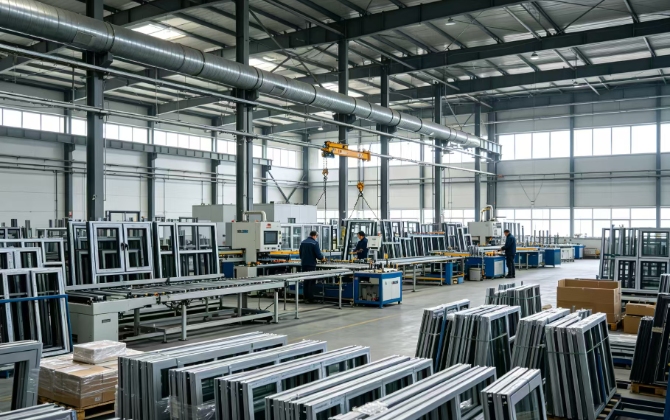
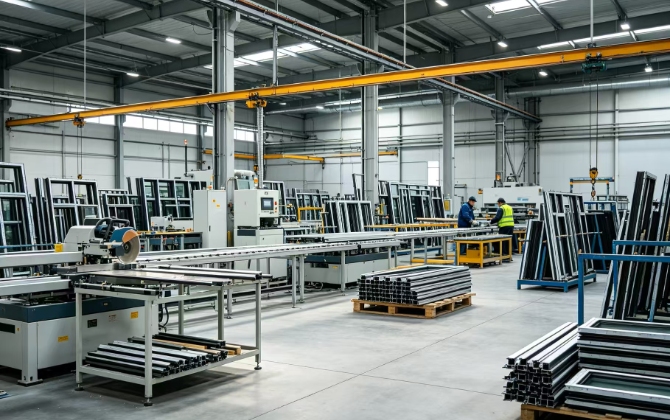
Verixor combines more than 10 years of manufacturing experience with a 10,000+㎡ production facility, giving you better control over the key processes behind thermally broken aluminum windows. From aluminum profile cutting and machining to thermal break assembly, corner connection and surface finishing, each process is handled according to the required window specifications. We also control the fit between profiles, insulating sections and glazing components to help maintain accurate dimensions, stable frame assembly and consistent finished-window quality across your project.
Thermally Broken Aluminum Windows for Different Building Applications
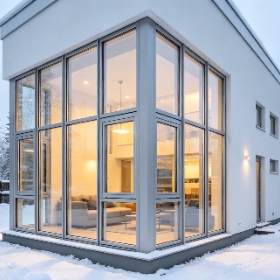
Thermal break structures help reduce heat transfer during periods of significant indoor-outdoor temperature differences.
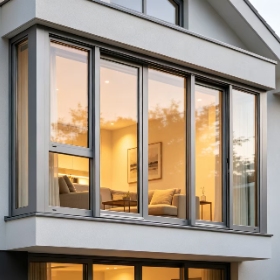
Improve indoor temperature stability and reduce unwanted heat exchange through the window area.
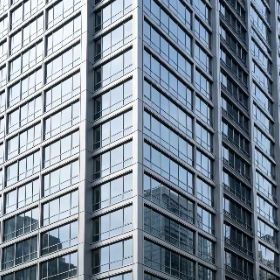
Aluminum window systems provide a durable frame structure for multi-story architectural applications.
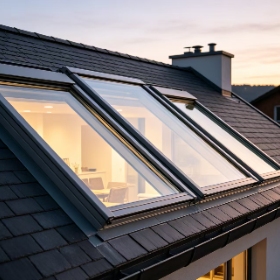
Thermal insulation is particularly important for roof windows directly exposed to outdoor temperature changes.
Start with the project’s climate, required thermal performance, glazing configuration, window dimensions and installation conditions. For cold climates, higher insulation performance may be prioritized; for coastal projects, corrosion resistance becomes more important. You should also consider condensation control, sound insulation, structural requirements and project budget. A supplier should confirm the final window configuration based on the actual drawings and application conditions.
Thermally broken aluminum windows can significantly reduce condensation risk by keeping the inner frame surface warmer than a conventional aluminum frame. However, they cannot independently guarantee that condensation will never occur. Condensation also depends on indoor humidity, heating, ventilation and the dew point. Adequate heating and ventilation are therefore important to maintain the frame temperature above the dew point.
Aluminum is durable and corrosion-resistant, making thermally broken aluminum window systems suitable for demanding environments such as coastal areas. However, the overall service life of a window also depends on surface treatment, hardware selection, installation quality and regular maintenance. For coastal projects, these factors should be considered together rather than evaluating the frame material alone.
Thermally broken aluminum windows can be supplied with different surface finishes according to the architectural design and environmental requirements. Common options include powder coating, anodizing and fluorocarbon coating. Different finishes provide different appearance characteristics and levels of surface protection. For projects with multiple aluminum products, the finish specification can be coordinated to maintain a consistent architectural appearance.
The thermal break separates the inner and outer aluminum sections with a low-conductivity insulating material. This reduces the direct transfer of heat through the metal frame and helps make the interior-facing frame surface less affected by outdoor temperatures. The result is a more thermally stable frame compared with conventional aluminum systems without a thermal break.
Related Products
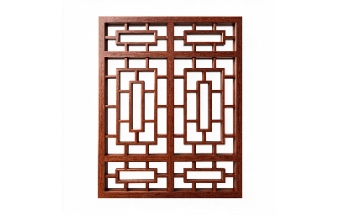 Aluminum Window Grilles
Add protection and maintain airflow with aluminum window grilles, designed to provide a clean appearance for residential and commercial windows.
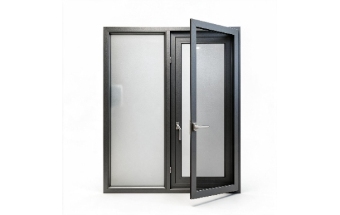 Aluminum Sliding Window
Enjoy convenient horizontal opening with an aluminum sliding window, featuring a space-saving design for areas with limited swing space.
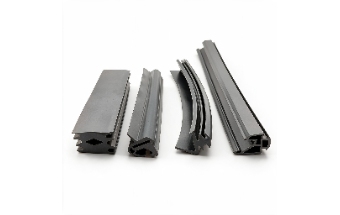 Door and Window Sealing Strips
Improve the overall sealing of your windows and doors with door and window sealing strips, helping reduce gaps and limit air, dust, water and noise infiltration.
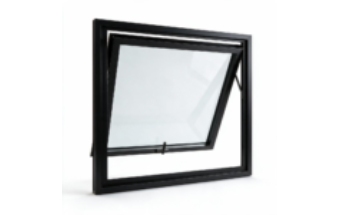 Aluminum Window
Create durable and flexible window solutions with an aluminum window, offering a strong frame and adaptable configurations for different building projects.