Choosing the wrong aluminum sliding window can cause poor ventilation, difficult operation, and higher installation costs. This article covers common sliding window types, their key differences, and how to choose the right aluminum sliding window for your project.
What Are the Main Types of Aluminum Sliding Windows?
1. Single Slider Windows
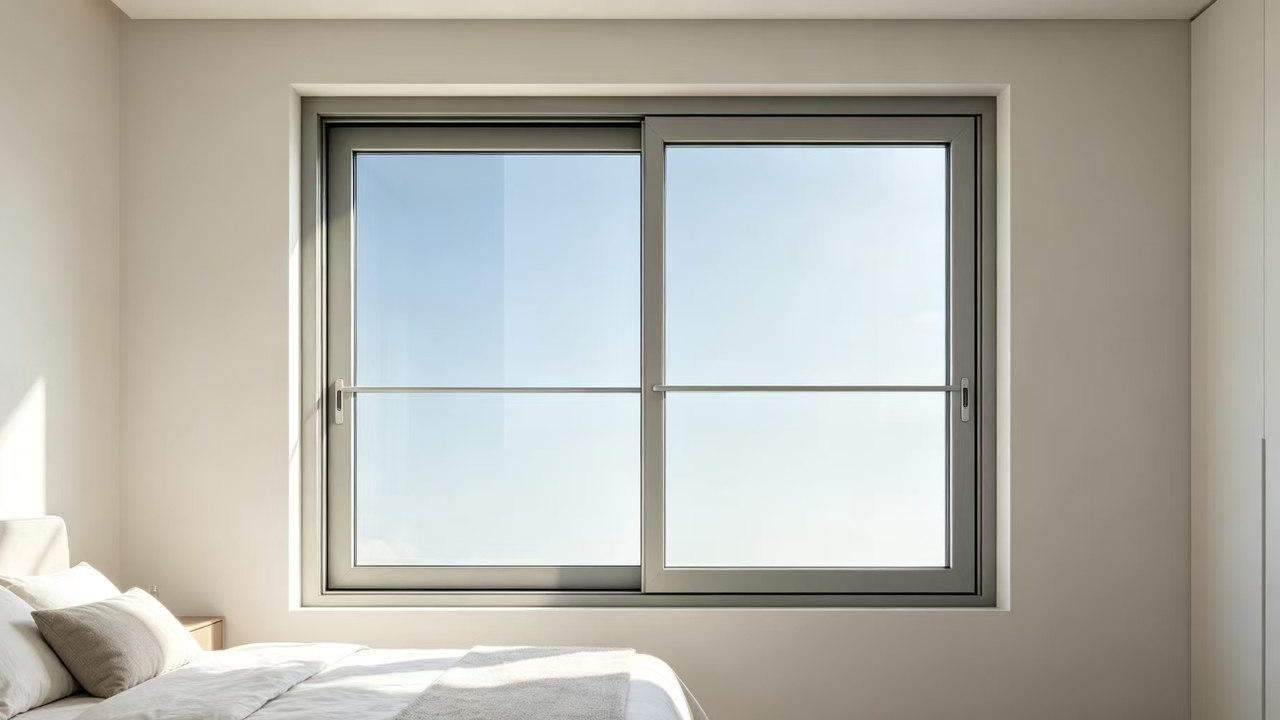
Single slider windows usually consist of two side-by-side panels. One panel remains fixed, while the other slides horizontally along the track to open the window.
A single sliding window has a simple structure, is easy to operate, and is usually more affordable than larger sliding configurations. Because it does not require swing space, it works well in bedrooms, bathrooms, kitchens, home offices, apartments, and other small or standard-sized openings. It is also available in a wide range of standard and custom sizes.
However, only one panel can be opened, which limits ventilation. The fixed panel also remains closed when more airflow is needed, and cleaning the outside may be less convenient.
If you mainly supply residential or small commercial projects, this type can be a practical choice for keeping your purchase and installation costs under control. For larger openings, consider a multi-panel sliding window instead to offer better ventilation and functionality, helping you meet more project requirements and improve your profit margin.
2. Double Slider Windows
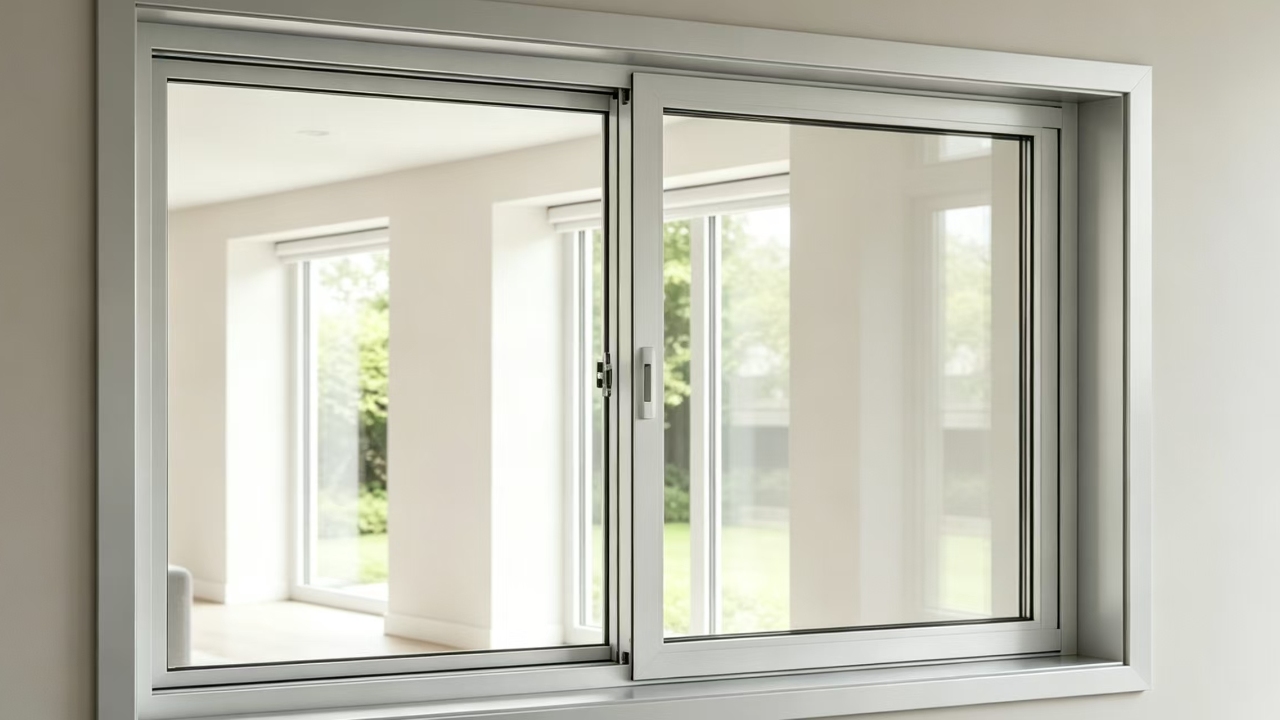
Double slider windows have two operable panels that can slide horizontally along the track. Both panels can be opened, giving you more flexibility when controlling ventilation.
Because both sashes can move, providing more flexible ventilation when greater airflow is needed. It operates smoothly without requiring additional swing space and can be used for different opening sizes. With a balanced design, it is a practical choice for living rooms, bedrooms, kitchens, offices, and both residential and commercial projects.
Compared with a single sliding window, it has more hardware and moving parts, so properly sized rollers are important for smooth operation. More moving panels also require greater attention to sealing and maintenance.
If you supply residential or commercial projects where ventilation is an important selling point, a two-panel sliding window gives you a more functional option to offer customers.
3. Triple Sliding Windows
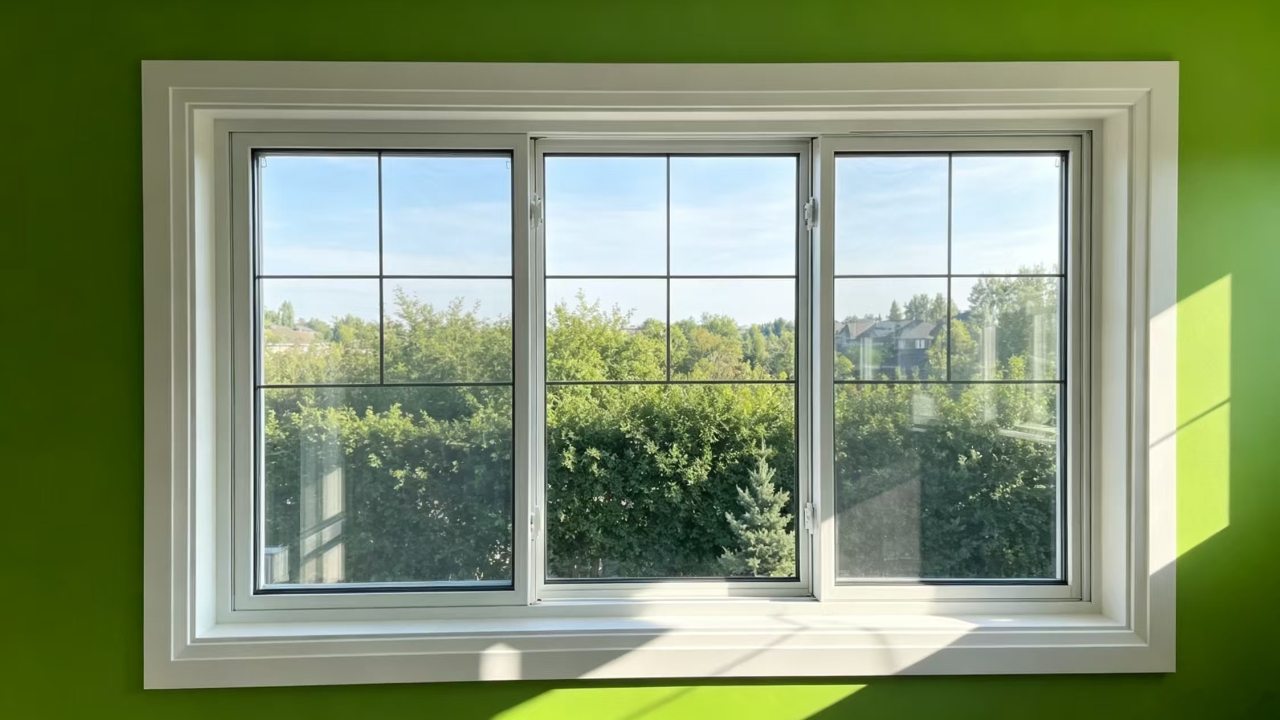
Triple sliding windows divide the opening into three panels. Depending on the design, one or more panels can be fixed while the others slide horizontally.
A multi-panel sliding window is designed for wider openings and allows you to choose different panel configurations according to the project. By dividing a large opening into several panels, it helps balance ventilation, glass area, and panel weight while avoiding oversized or difficult-to-operate sliding panels. It also provides a wider overall view, making it suitable for large living rooms, villas, balconies, commercial buildings, and other projects with wide openings.
However, larger systems require more tracks, rollers, and interlocks, and accurate installation is important for smooth operation. More panels may also increase the overall cost, so the glass and hardware capacity should be considered when selecting the final configuration.
For large-opening projects, avoid simply choosing the cheapest configuration. A properly planned multi-panel system can reduce oversized glass and hardware costs while improving functionality.
4. Multi-Panel Sliding Windows
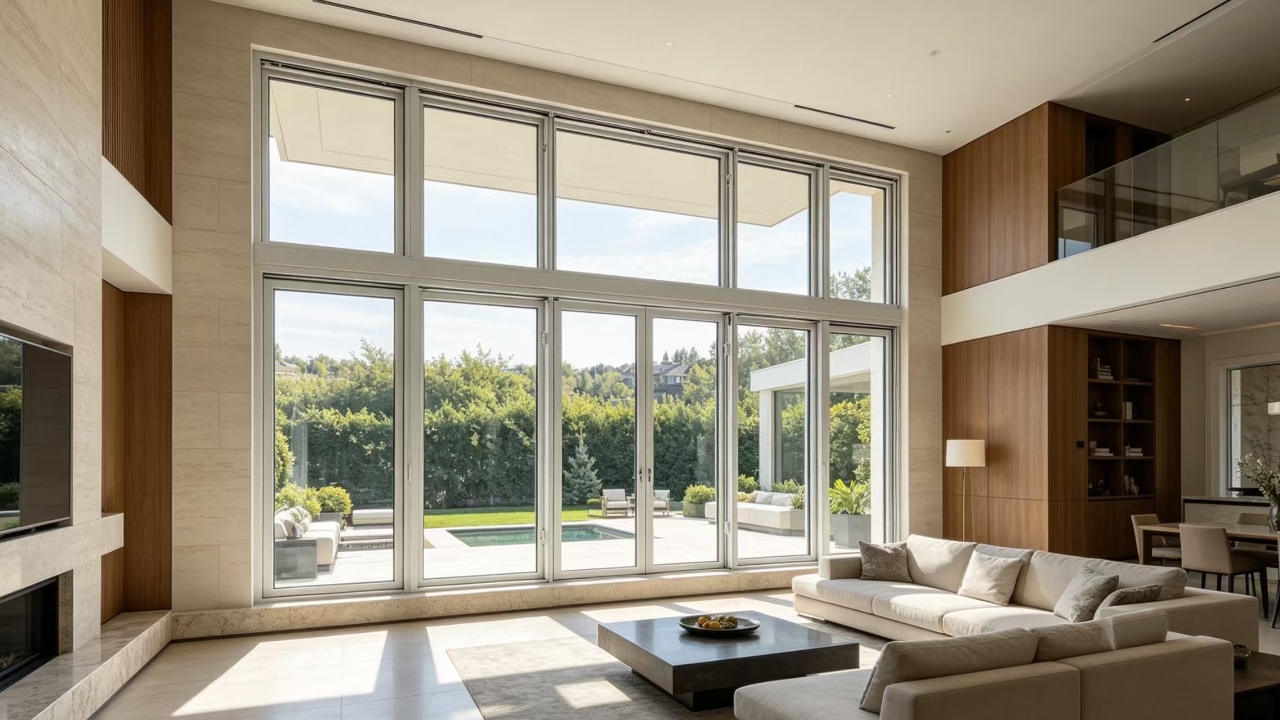
When your opening becomes very wide, you can use four or more panels depending on the system. You can choose which panels remain fixed and which panels operate.
This gives you more freedom to control the opening area and panel arrangement without using swing space.
This configuration can create larger glass areas for wider views while letting you adjust the opening area based on ventilation needs. It works particularly well for large villas, patios, balconies, hotels, commercial buildings, and large indoor-outdoor openings.
However, more panels require additional tracks and hardware, while the rollers must support the weight of each sash. More interlocks and joints also require careful sealing, and installation tolerance becomes increasingly important as the system gets larger.
For large projects, plan the panel configuration based on the actual opening size, ventilation requirements, and glass weight instead of simply maximizing the number of panels. A well-balanced design can reduce unnecessary hardware and installation costs while still delivering a premium appearance.
5. Horizontal Sliding Windows
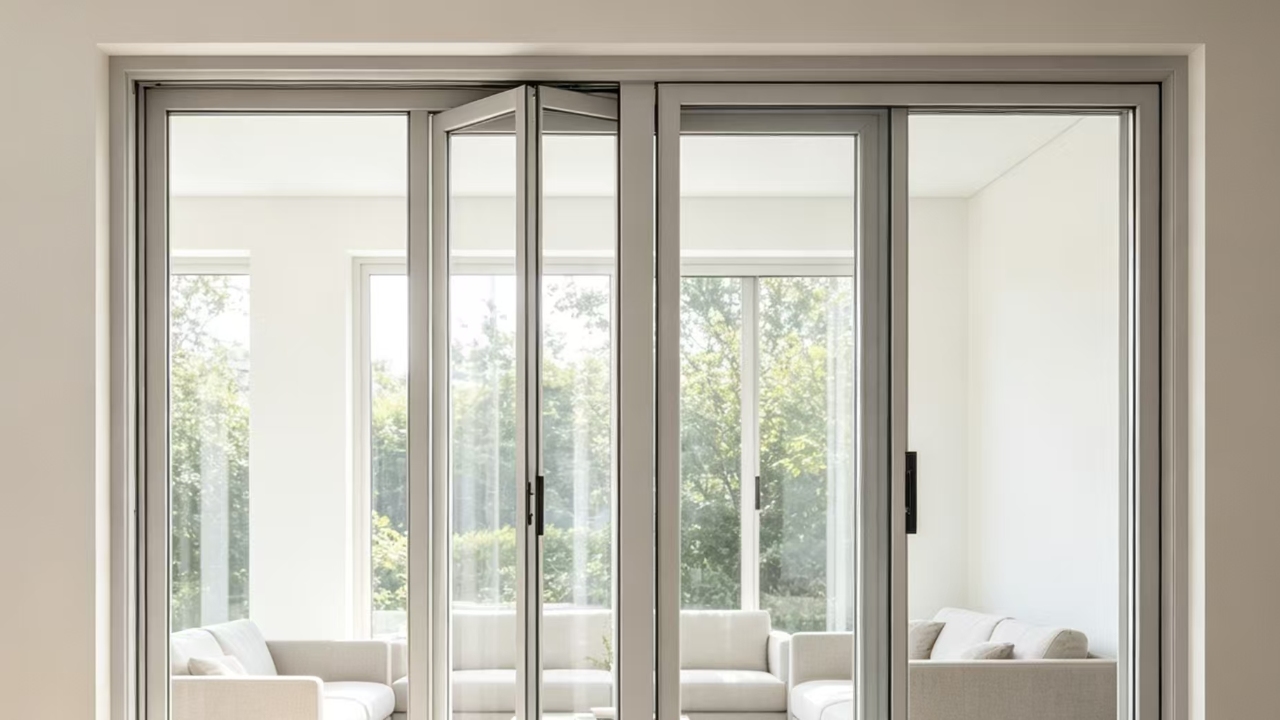
Horizontal sliding windows open from side to side. The sash moves left or right along a horizontal track instead of swinging inward or outward.
A horizontal sliding window opens sideways without taking up additional indoor or outdoor space, making it convenient to operate and suitable for areas with limited swing space. It can be configured with different panel combinations and paired with fixed panels to cover larger openings. This makes it a practical choice for apartments, bedrooms, offices, kitchens, balconies, commercial buildings, and other spaces where traditional inward or outward opening is not suitable.
However, the opening area is usually smaller than the total window area. Clean tracks are important for smooth operation, while rollers and hardware should match the sash weight. For exterior applications, proper sealing and drainage design are also essential.
When quoting projects with limited opening space, consider sliding windows as a space-saving alternative rather than choosing a more expensive opening system. Combining sliding and fixed panels can help you use materials efficiently while meeting the customer’s ventilation and layout requirements.
6. Lift-and-Slide Windows
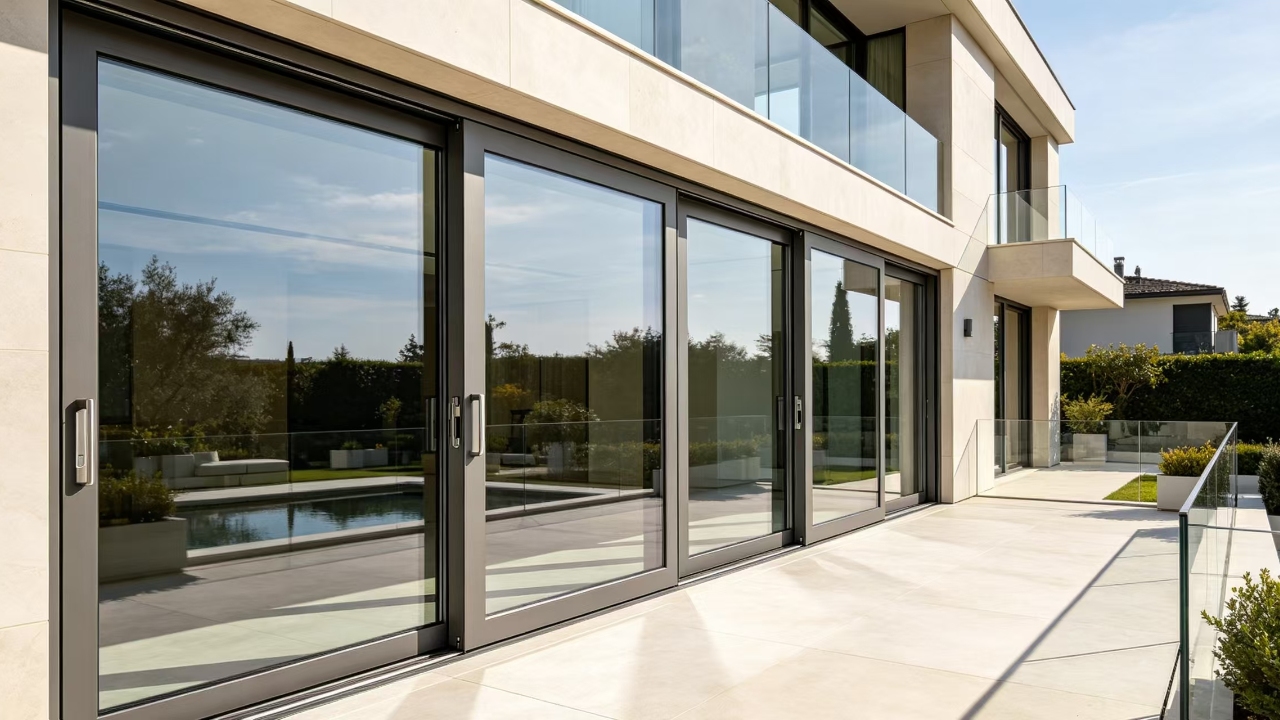
Lift-and-slide windows are designed for large and heavy panels. When you turn the handle, the hardware slightly lifts the sash away from the seals, allowing it to slide more easily along the track.
This system makes it possible to use larger glass panels while maintaining relatively smooth operation.
It creates a clean connection between indoor and outdoor spaces and can provide strong sealing when the sash is fully closed and locked. This makes it suitable for luxury villas, large patios, hotels, commercial buildings, and other projects requiring wide glass openings.
However, heavy-duty sliding systems cost more than standard configurations and require specialized hardware and installation. The frame, track, and rollers must be properly designed to support the sash weight, so manufacturing and installation require greater attention to detail.
For high-end projects, do not replace a heavy-duty system with a standard sliding window simply to reduce the initial cost. Choosing the right system for the glass weight can reduce installation problems and costly rework.
7.Pocket Sliding Windows
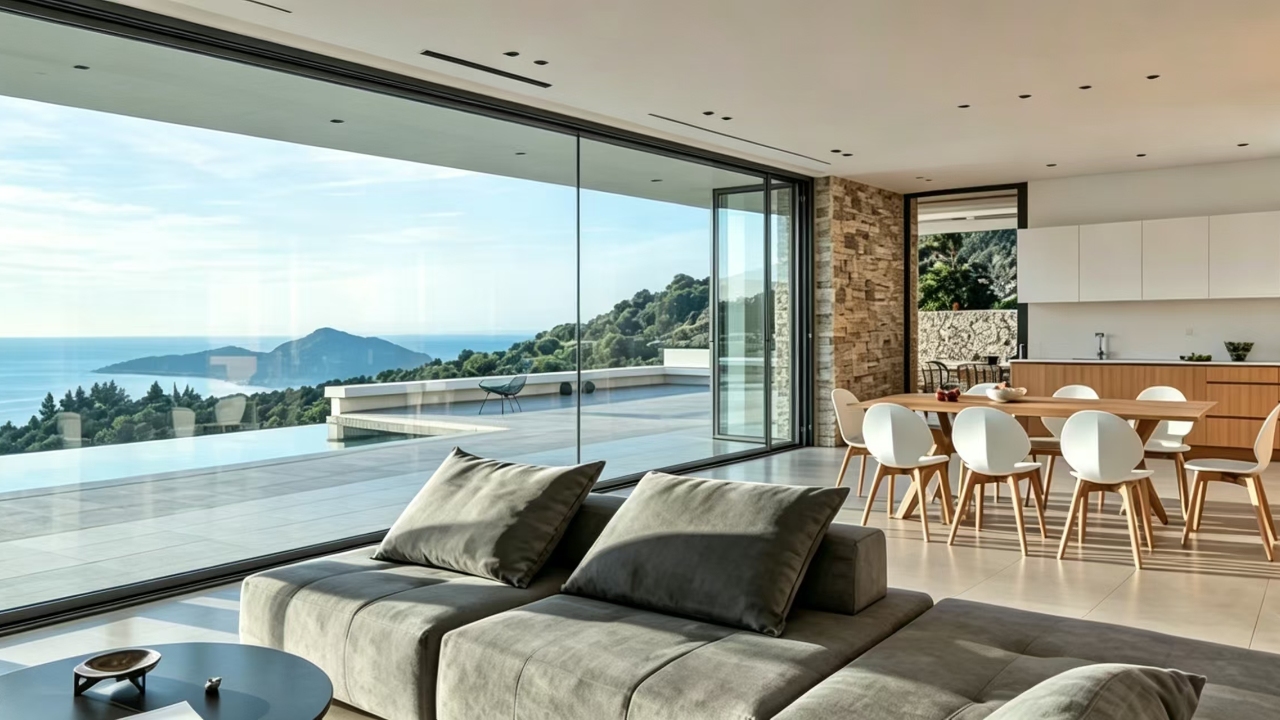
Pocket sliding windows are designed so that the sliding panel moves into a concealed pocket inside the wall when opened.
When the window is fully open, the sash is hidden from view, creating a wider and less obstructed opening.
This maximizes the usable opening area without taking up interior or exterior floor space, making it ideal for creating a seamless connection between indoor and outdoor areas. It is well suited to modern villas, patios, restaurants, hotels, and large living spaces where a wide, unobstructed opening is important.
However, the wall must have enough space for the pocket, and the structure needs to be planned before installation. Compared with standard sliding windows, installation is more complex, while concealed hardware inside the wall can make future maintenance more difficult.
For high-end projects where appearance and large openings are important selling points, a pocket sliding system can help you offer a more premium solution and increase the value of your quotation.
How to Choose the Right Aluminum Sliding Window Type?
Still not sure which aluminum sliding window is right for you? Start with a few simple questions.
Consider Ventilation
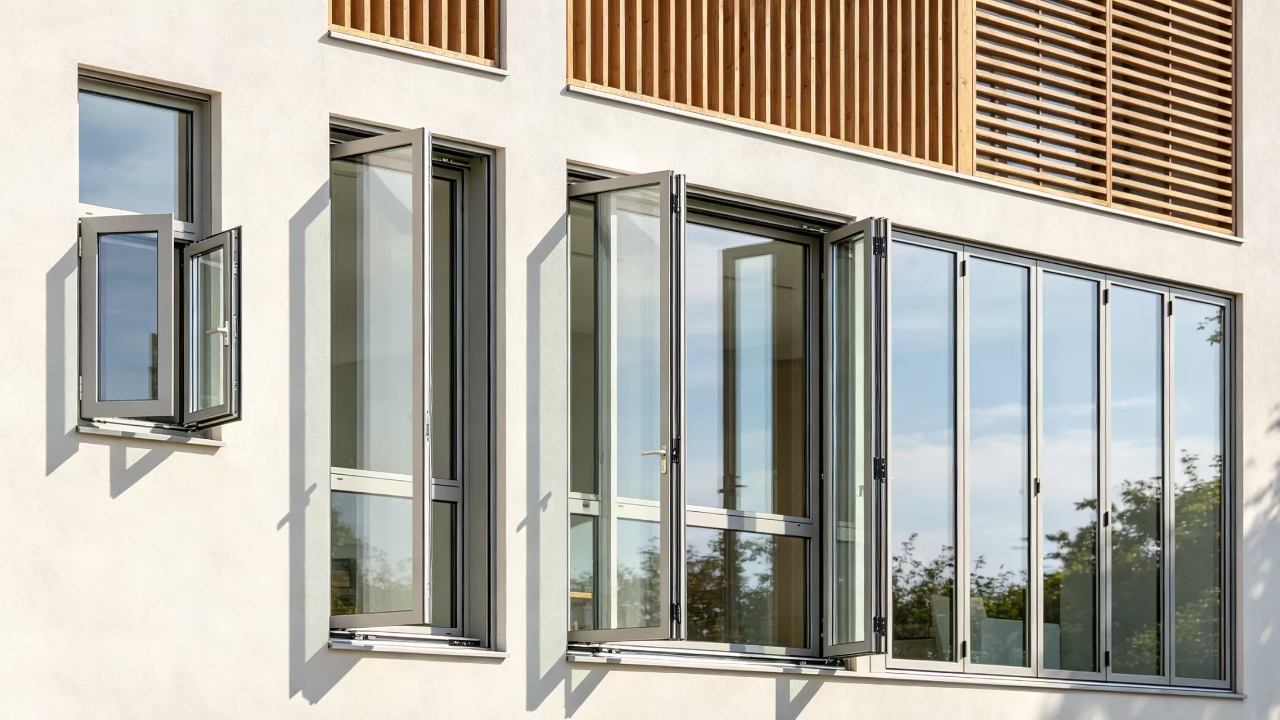
How much ventilation does your project require?
For smaller rooms or standard openings, single slider windows can provide practical airflow. If your project requires more ventilation, double slider windows allow both panels to open. For wider openings, triple sliding windows or multi-panel sliding windows give you more flexibility in configuring the opening area and controlling airflow.
Consider Window Size
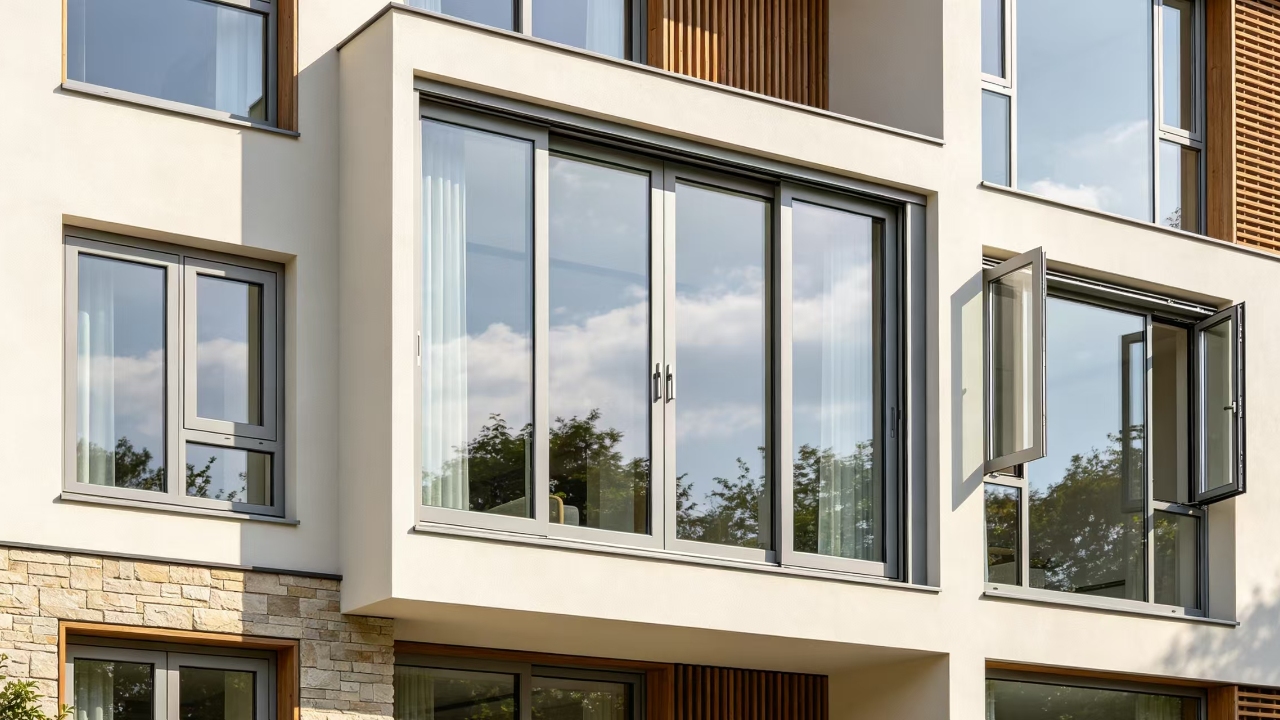
Your opening dimensions are one of the first factors to check.
Single slider windows and double slider windows work well for standard openings. For wider openings, triple sliding windows and multi-panel sliding windows allow you to divide the opening into several panels. For large openings with heavy glass, lift-and-slide windows can make operation easier. If you want the panels to disappear into the wall, pocket sliding windows can create a cleaner opening, provided your project has enough wall space for the pocket.
Consider Available Space
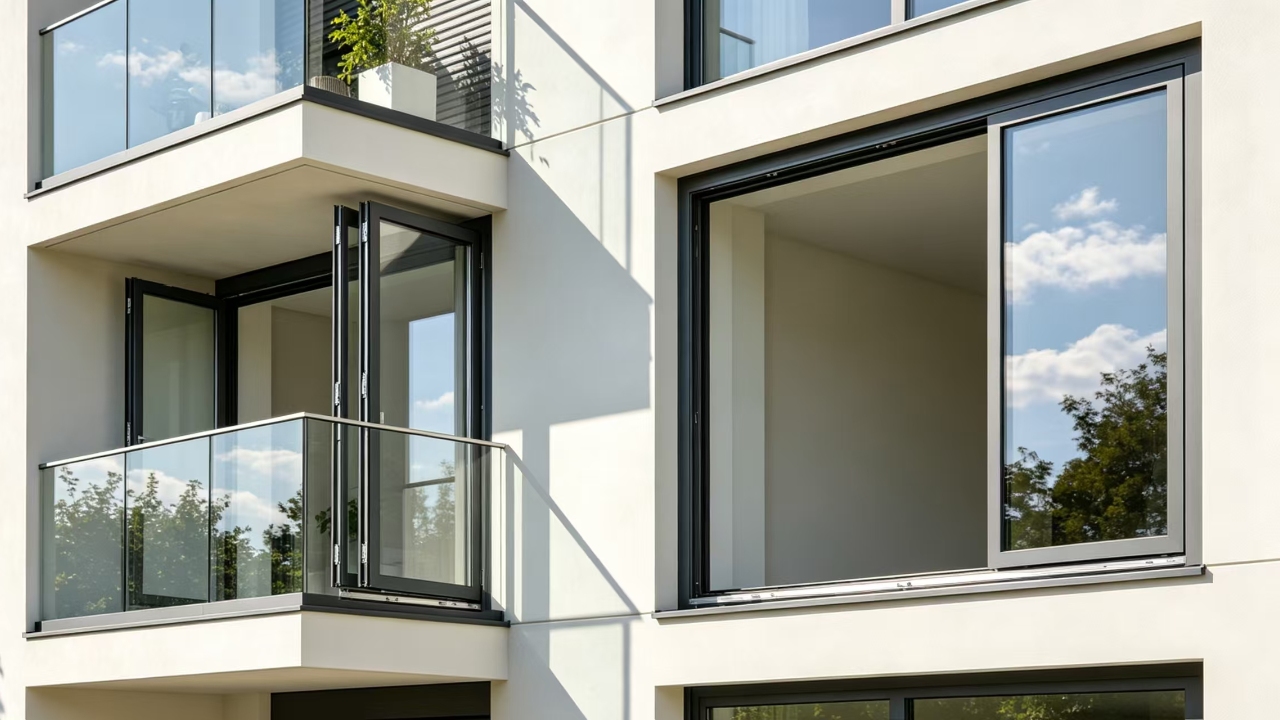
Aluminum sliding windows move along a track, so you do not need to allow additional swing clearance inside or outside the building. This makes them a practical choice when space around your opening is limited. If your project calls for a wider, more open appearance, pocket sliding windows can give you a cleaner opening when the panels are fully retracted into the wall.
Consider the Project Budget
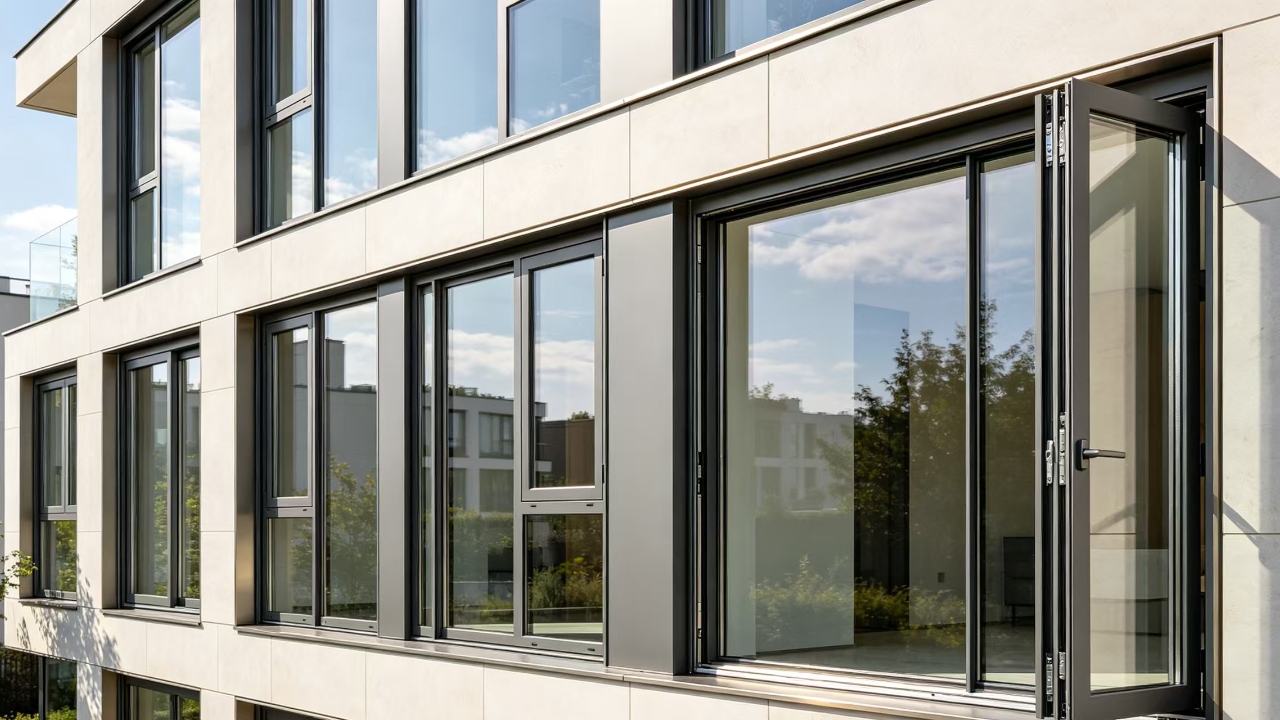
You can select the aluminum sliding window system based on your project’s actual performance, design, and budget requirements. Single slider windows and double slider windows are simple and cost-effective options for standard projects. For larger openings, triple sliding windows and multi-panel sliding windows give you greater configuration flexibility. If your project involves large glass panels, lift-and-slide windows may be worth the additional investment because they make heavier sashes easier to operate. A properly matched system can help balance performance, functionality, and overall project cost.
FAQ
What do XO, OX, and XOX mean in aluminum sliding windows?
XO, OX, and XOX describe the arrangement of fixed and operable panels. X represents an operable sliding panel, while O represents a fixed panel. For example, XO means one operable panel and one fixed panel, while XOX means two operable panels with a fixed panel between them. These configurations help architects, contractors, and buyers clearly specify how the window should open.
How do you clean and maintain aluminum sliding windows?
Start by removing dirt and debris from the sliding track, as buildup can affect the rollers and make the sash harder to move. Clean the aluminum frame and glass with suitable mild cleaning products, and check the drainage openings to make sure they are not blocked. You should also inspect the rollers, locks, handles, and seals periodically. Avoid forcing a sash that does not move smoothly, as the problem may require roller adjustment or hardware inspection.
Do aluminum sliding windows reduce outside noise?
Aluminum sliding windows can help reduce outside noise, but the overall result depends heavily on the glass, air space, seals, frame design, and installation. Double glazing, laminated glass, and properly designed sealing systems can provide better acoustic performance than basic single glazing. If noise reduction is important for your project, specify the required acoustic performance first and then select the appropriate glass and window configuration.
How well do aluminum sliding windows perform in terms of energy efficiency?
The energy performance of an aluminum sliding window depends mainly on the glass, frame, seals, and overall system design. Double or triple glazing and Low-E glass can help reduce heat transfer, while thermally broken aluminum frames provide better insulation than standard aluminum frames. However, because sliding sashes move along tracks instead of closing by pressing tightly against the seals, aluminum casement windows generally provide better thermal performance and air tightness.
How does the air tightness of aluminum sliding windows compare with aluminum casement windows?
Aluminum sliding windows generally have lower air tightness than aluminum casement windows because their sashes slide horizontally along tracks rather than closing directly against the seals. For projects where better sealing is required, lift-and-slide systems can provide improved performance when properly designed and installed. If the building is located in a cold or windy climate,aluminum casement windows may be a more suitable option when air tightness is a priority.
What is the difference between horizontal and vertical sliding windows?
Horizontal sliding windows open from side to side, while vertical sliding windows move up and down. Horizontal systems are commonly used for wide wall openings because they can accommodate wider glass areas without requiring swing clearance. Vertical sliding windows are better suited to taller openings and traditional window designs, with ventilation available through the upper, lower, or both sashes. The right choice depends on your opening size, ventilation needs, and preferred architectural style.
Do different aluminum sliding windows have significant price differences?
Yes. Prices can vary significantly depending on profile thickness, glass configuration, hardware, and surface finish. For example, 1.4 mm, 1.8 mm, and 2.0 mm aluminum profiles have different material costs, while glass options range from single glazing to insulated tempered glass, Low-E glass, and triple glazing with two air chambers, with costs generally increasing accordingly. Basic and heavy-duty hardware also differ in smooth operation, corrosion resistance, and service life, affecting the overall cost. Fluorocarbon coating is generally more expensive than powder coating. Economical configurations suit budget-conscious, low-use projects, while high-quality systems are better suited for coastal areas, high-rise buildings, villas, and commercial projects with higher durability, sealing, and frequent operation requirements.
Final Thoughts
Get Your Customized Aluminum Sliding Windows from Verixor
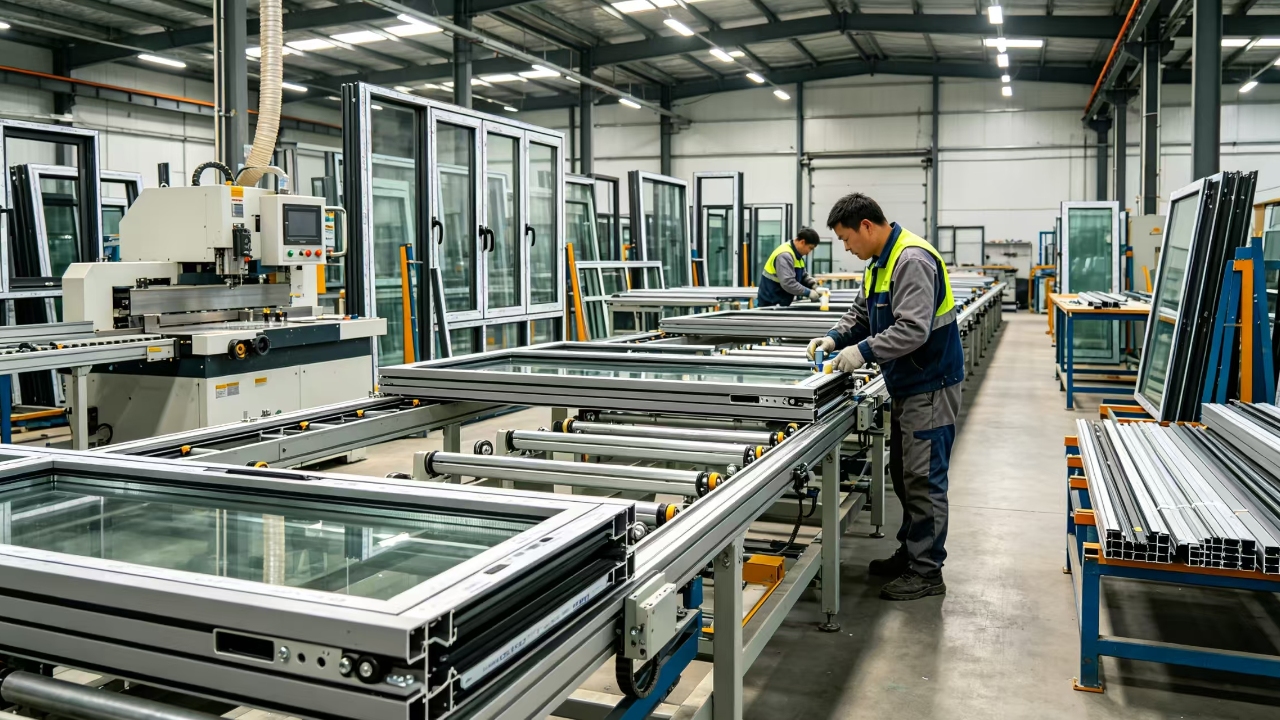
Verixor provides customized aluminum sliding windows for residential and commercial projects.
With our windows, you get flexible designs, reliable performance, and solutions tailored to your opening size, glass, and hardware requirements. Contact us with your project details and get an aluminum sliding window solution that fits your needs.