Choosing the right aluminum window can make a real difference to your project. It affects how much light and fresh air you get, how the space feels, and how well the window handles the local weather. With so many styles available, this guide helps you understand the differences and choose with confidence.
What Are the Main Types of Aluminum Windows?
Aluminum Casement Windows
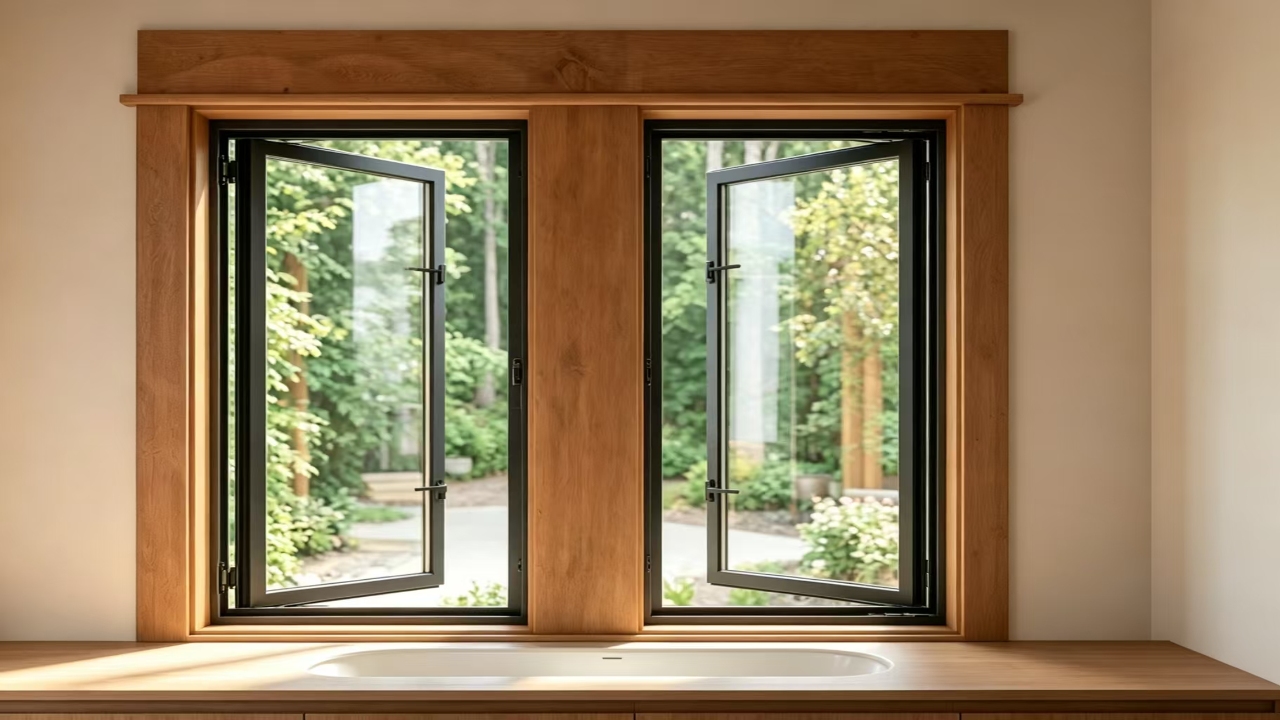
Aluminum casement windows are hinged on one side and open by swinging the sash outward or inward, making them a practical choice when you need stronger natural ventilation or a larger effective opening. Because the sash moves away from the frame, airflow can enter the room more directly than with many sliding configurations.
You may choose casement windows when your project requires a relatively large ventilation opening, direct airflow, flexible opening directions, or a clean appearance with relatively narrow frames. They are commonly used in bedrooms, living rooms, villas and other residential spaces where ventilation is important.
However, you should check the available clearance before selecting this type, as the sash needs enough space to open. Sash size and weight also need attention because larger glass areas increase the load on the hinges and operating hardware. For larger project windows, profile strength, glass weight, hinge capacity and sash dimensions should be considered together rather than separately.
Aluminum Sliding Windows
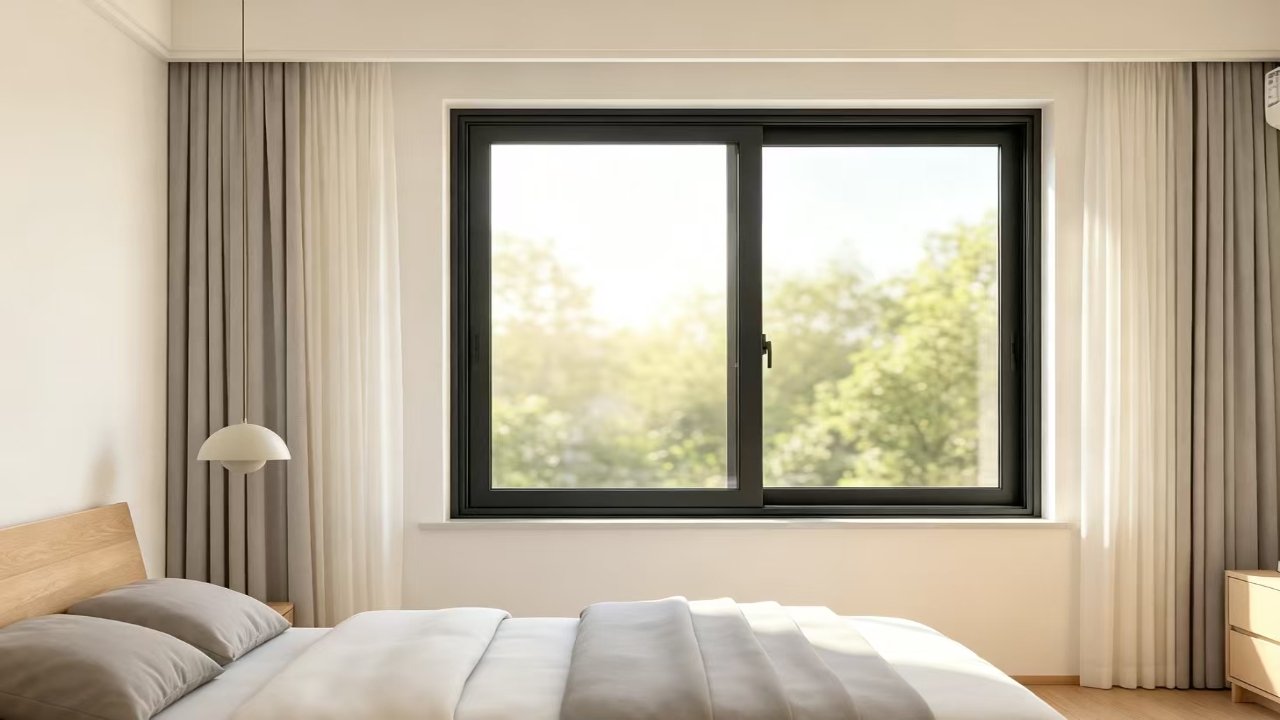
Aluminum sliding windows use one or more sashes that move horizontally along tracks, allowing the window to open without swinging into or outside the building. This makes them especially practical when interior or exterior space is limited, such as balconies, apartments and areas where furniture is positioned close to the window.
You may also choose sliding windows when you want simple horizontal operation and a large glazed area without a swinging sash. However, the performance of a sliding window depends on more than the aluminum profile itself. The track and roller system directly affects how smoothly the sash operates, especially when the glass makes the sash heavier.
Roller load capacity, roller quantity, adjustment, track design, sash weight and long-term wear should therefore be checked before ordering. Sealing also needs to be evaluated as a complete system because sliding sashes commonly rely on weather strips, brush seals, interlocks and drainage paths rather than the compression sealing used by many hinged windows. For project applications, the aluminum profile, glass, rollers, sealing system and drainage design should be matched as one complete configuration.
Aluminum Fixed Windows
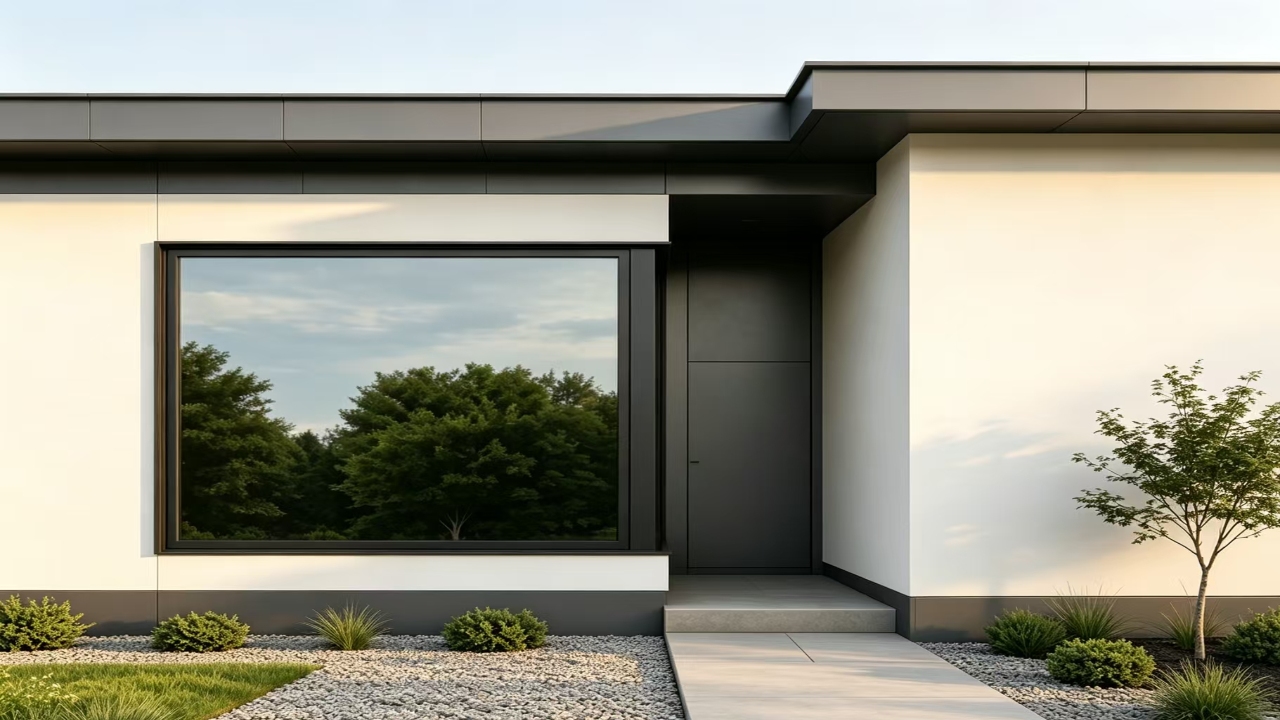
Aluminum fixed windows do not open, so they are mainly used to provide natural light, outdoor views and larger glazed areas without requiring operating hardware.
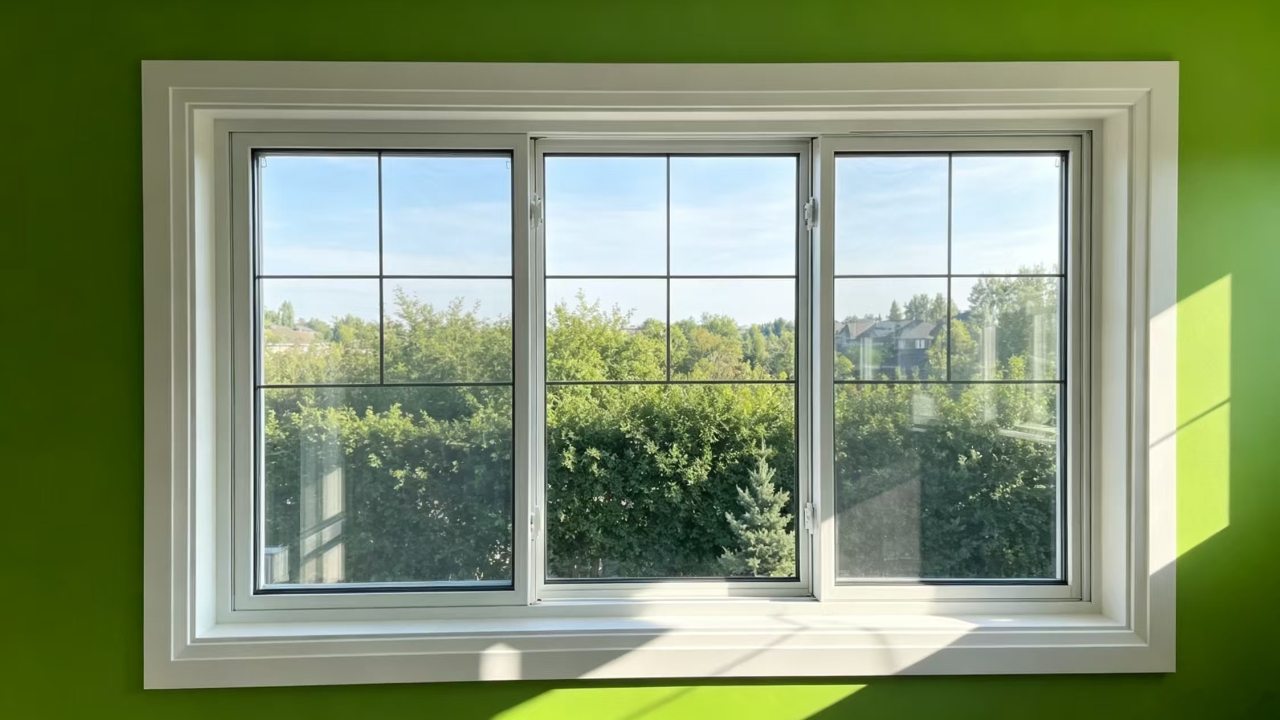
If you do not need ventilation from a particular opening, a fixed window can provide a simple and practical solution with fewer moving components. You may use fixed windows where you want maximum glazing, clear views or more daylight, and they can also be combined with operable windows to create a more flexible configuration. For example, a project may use a large fixed panel in the center with sliding or casement sections on the sides, allowing you to increase the glazed area while keeping ventilation where it is actually needed.
The main limitation is that a fixed window cannot provide natural ventilation, so you should check the ventilation requirements of each room before using fixed windows across a large portion of the building. In many projects, the best approach is not to choose one window type for every opening, but to combine different types according to the function of each space.
Aluminum Awning Windows
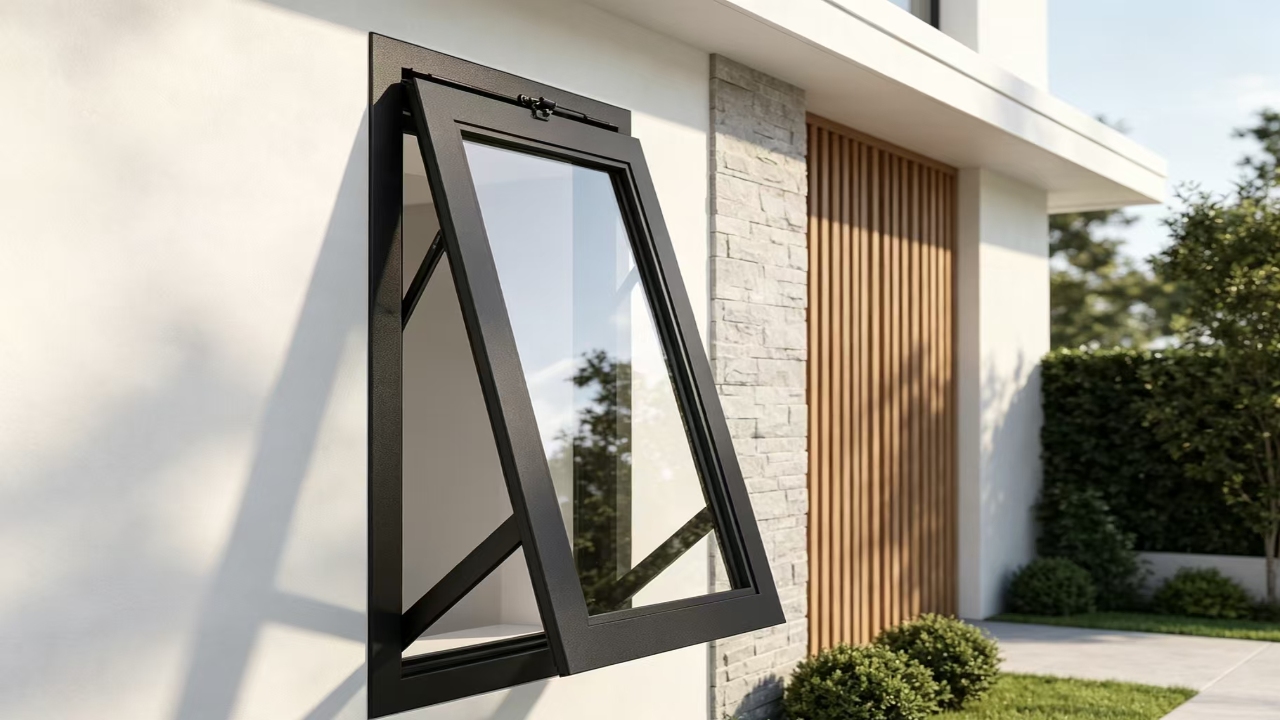
Aluminum awning windows are hinged at the top and open outward from the bottom, providing controlled ventilation while the projecting sash can help protect the opening from light rain when the window is properly designed and positioned.
This makes them suitable for bathrooms, kitchens, bedrooms, utility rooms, high-level openings and other areas where ventilation is needed without creating a large opening at occupant level. When selecting an awning window, you should consider the required opening angle, sash dimensions, glass weight, external clearance and the type of operating hardware, such as friction stays or manual and chain operators.
Hardware selection becomes increasingly important as the sash becomes larger or heavier, because a small awning sash and a large awning sash should not automatically use the same hardware configuration. The hardware needs to match the actual sash load and operating requirements, while the frame and drainage design should also be coordinated to maintain reliable operation and water management.
Aluminum Folding Windows
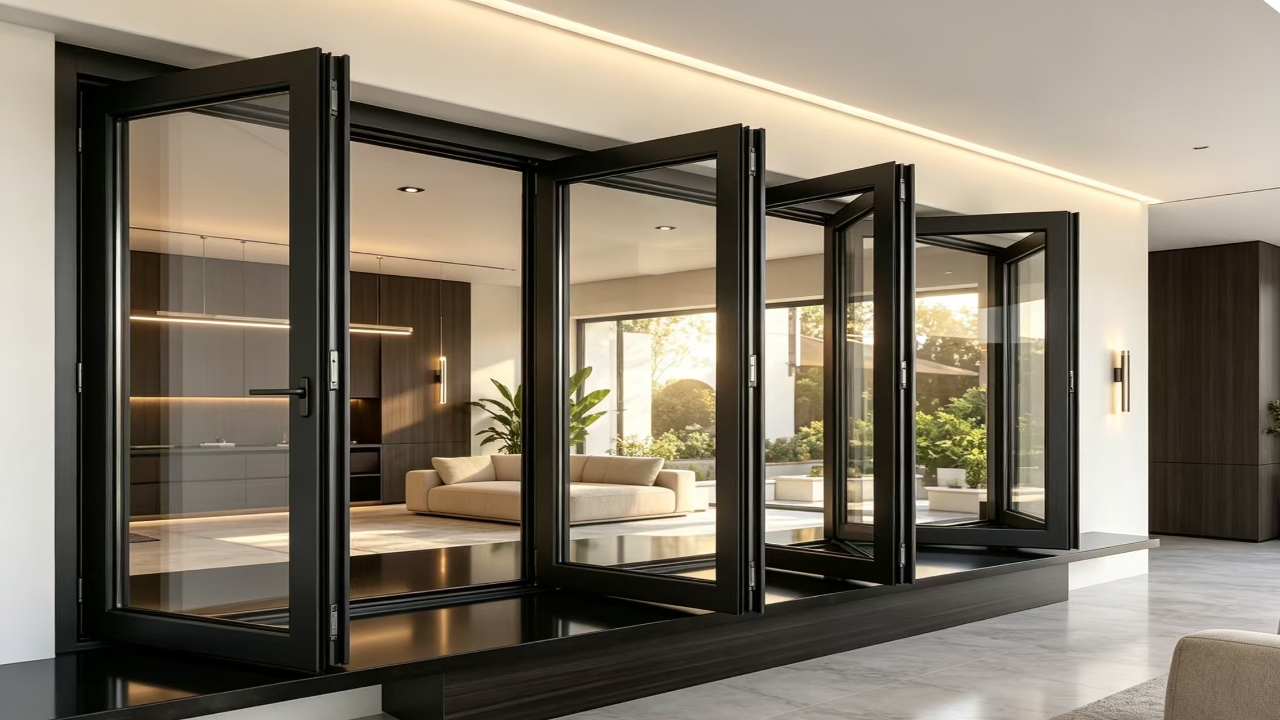
Aluminum folding windows consist of multiple interconnected panels that fold and stack to one or both sides of the opening, making them suitable when you want to create a wider opening than a conventional single sliding or hinged window can provide.
They can be considered for villas, restaurants, commercial spaces and other areas where a strong indoor-outdoor connection and flexible opening width are important. However, a folding window is more than a series of individual panels joined together. The hardware system carries a significant part of the load, so you need to consider panel weight, the number of panels, top and bottom tracks, rollers, hinges, panel alignment and the opening sequence before production.
As the system becomes wider or the panels become heavier, the relationship between panel dimensions, glass weight and hardware capacity becomes increasingly important. For this reason, a folding window should be designed and supplied as a complete system rather than simply adding more panels to a standard window configuration.
Thermally Broken Aluminum Windows
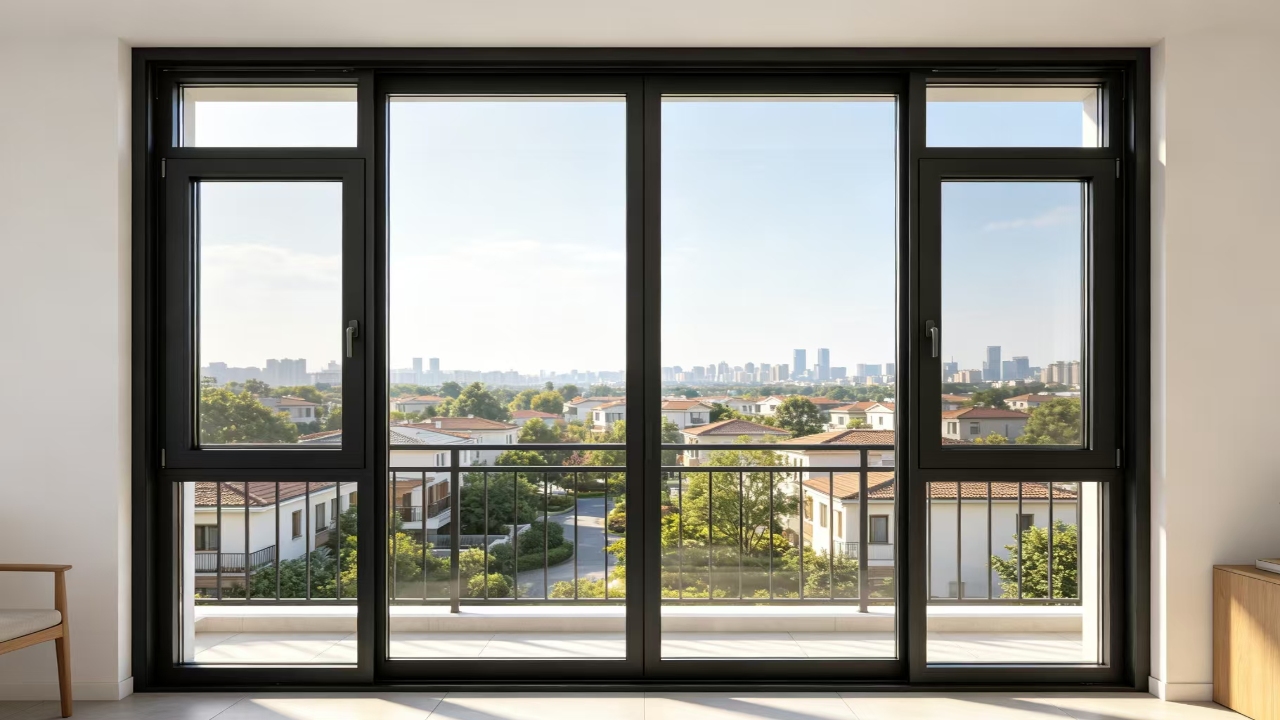
Thermally broken aluminum windows use a thermal barrier between the interior and exterior aluminum profiles to reduce the direct path for heat transfer through the frame.
This construction is worth considering when your project has high energy-efficiency requirements, large glazed areas, significant indoor and outdoor temperature differences or concerns about condensation. Aluminum itself has high thermal conductivity, so the thermal barrier separates the two aluminum sections and helps reduce conductive heat transfer through the frame.
However, selecting a thermally broken aluminum profile does not automatically mean the complete window will achieve high thermal performance. You should evaluate the profile design, thermal barrier, glass configuration, Low-E coating where required, spacer system, sealing and installation as a complete system. For project quotations, it is therefore more practical to define the required thermal performance first and then match the frame and glass configuration to those requirements, rather than selecting a thermal-break profile based only on the product name.
How Do You Choose the Right Aluminum Window Type?
Choosing the right window is not a one-size-fits-all decision. Every building has its own unique requirements, which is why aluminum window manufacturers offer a wide range of window types.
Factors to Consider
Making the right choice requires evaluating several factors. Let’s break them down one by one.
Ventilation Requirements
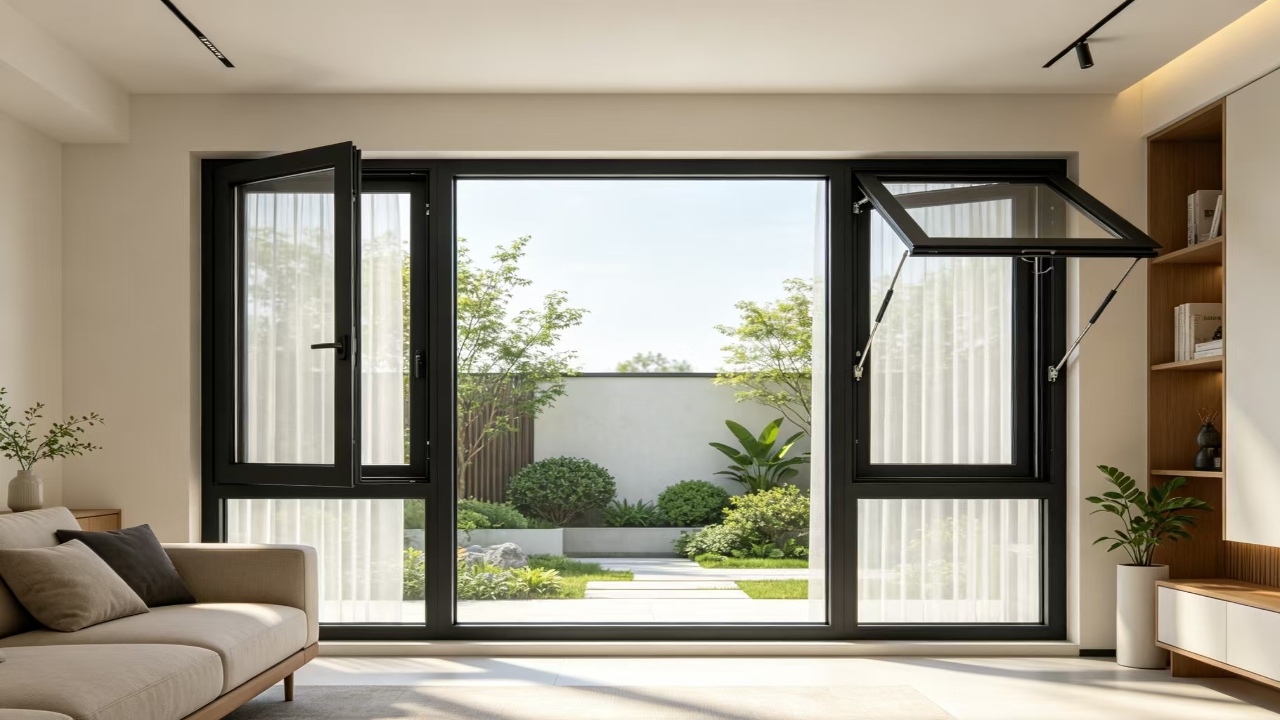
Start with how much ventilation each opening needs. If your project requires stronger natural airflow, aluminum casement windows can provide a relatively large direct opening. Aluminum awning windows are useful when you need more controlled ventilation, especially for high-level openings. If ventilation is not required at a particular opening, aluminum fixed windows can provide more glazing without adding unnecessary operating hardware.
Available Space
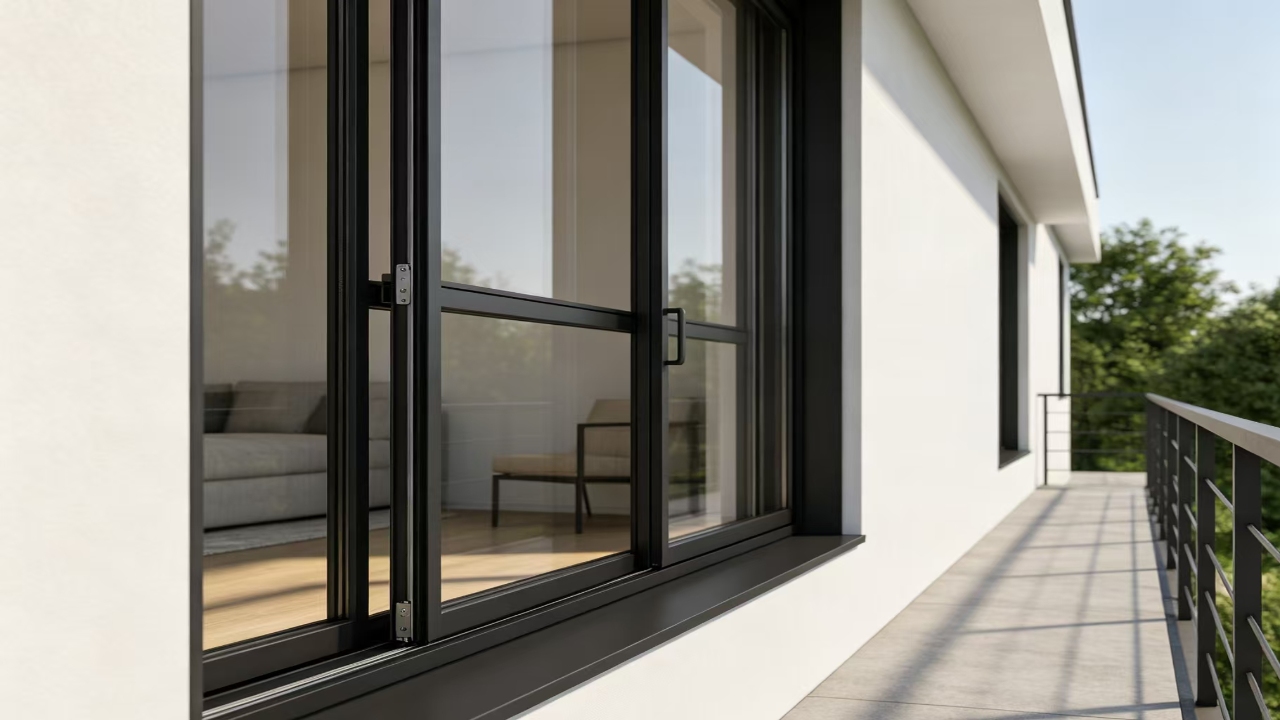
The space around the window directly affects which opening method is practical. Outward-opening casement and awning windows require sufficient clearance, while aluminum sliding windows move within the frame and generally do not need additional swing space. For openings near balconies, walkways, furniture or other building elements, you should check the available clearance before finalizing the window type.
Opening Width
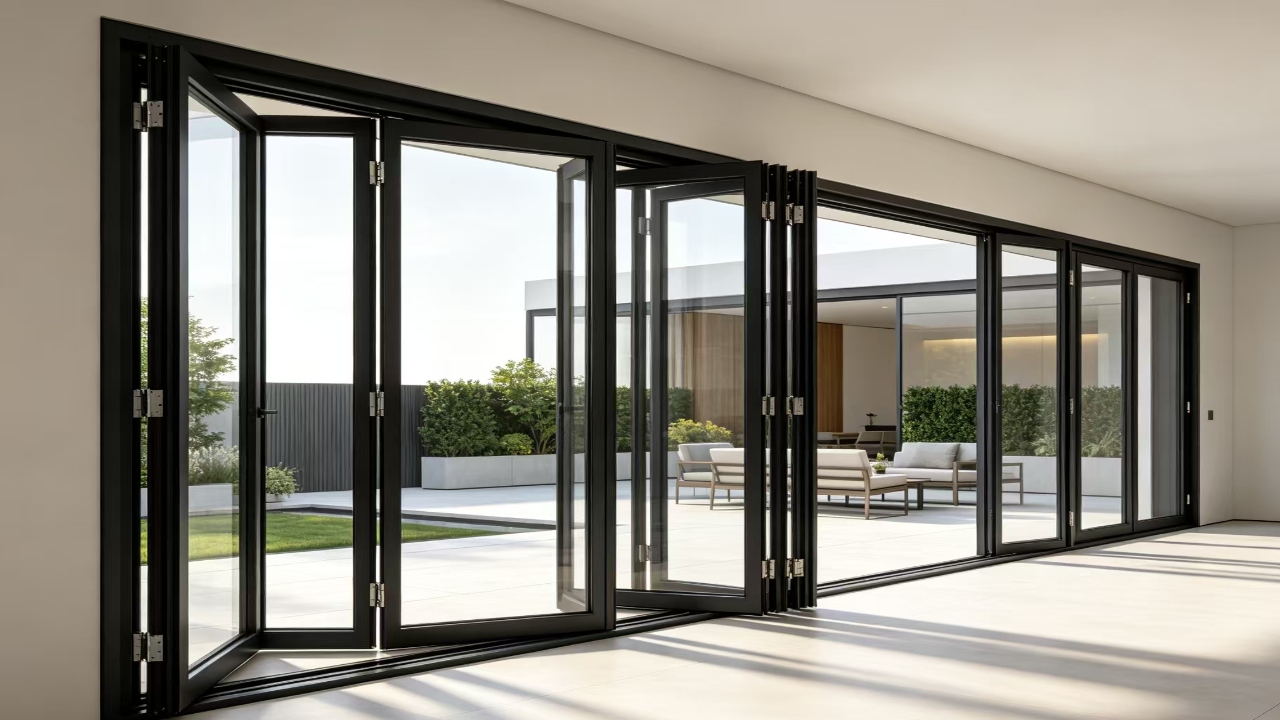
If your project requires a wider opening and a stronger connection between indoor and outdoor areas, aluminum folding windows may be worth considering. Multiple panels can fold and stack to the side, creating a larger opening than a conventional window. Before confirming the design, check the panel quantity, panel dimensions, glass weight, track arrangement and hardware capacity.
Daylight and Views
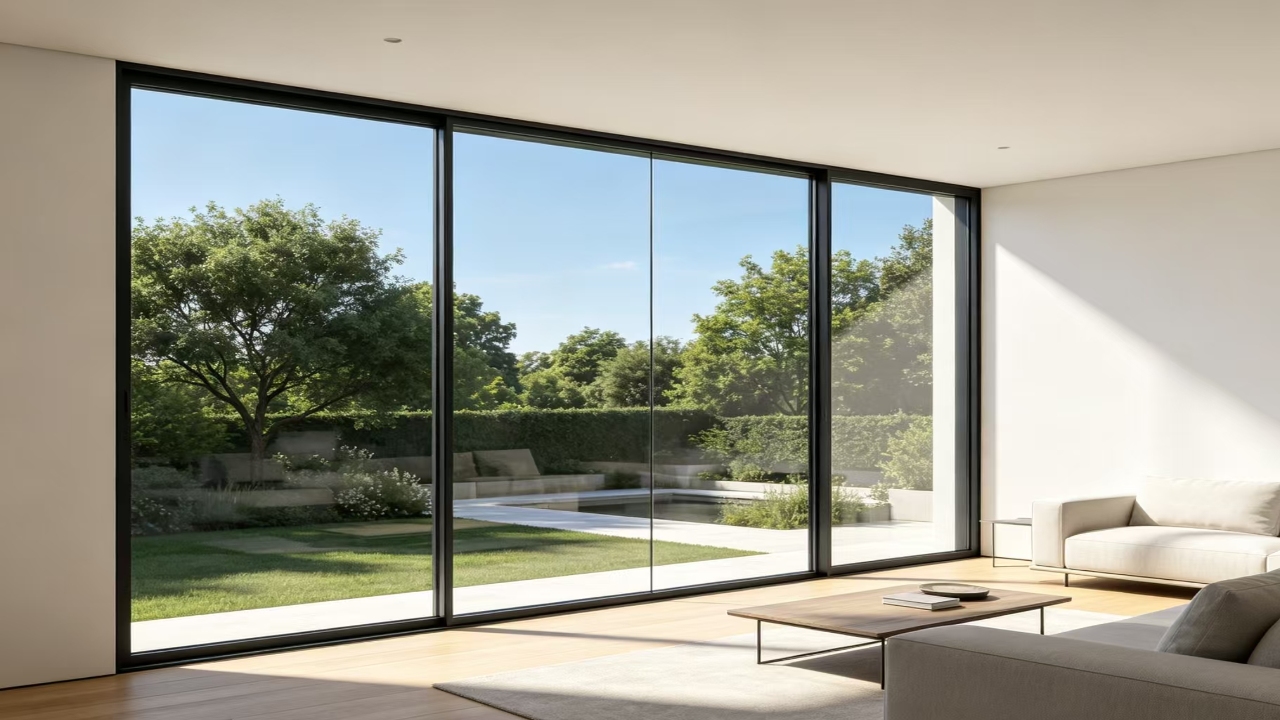
When maximizing natural light and outdoor views is a priority, aluminum fixed windows can be an effective option. Since they do not require operating hardware, they can provide a larger glazed area with a relatively simple configuration. For larger projects, you can combine fixed sections with sliding or casement windows to achieve a practical balance between glazing, ventilation and cost.
Thermal Performance
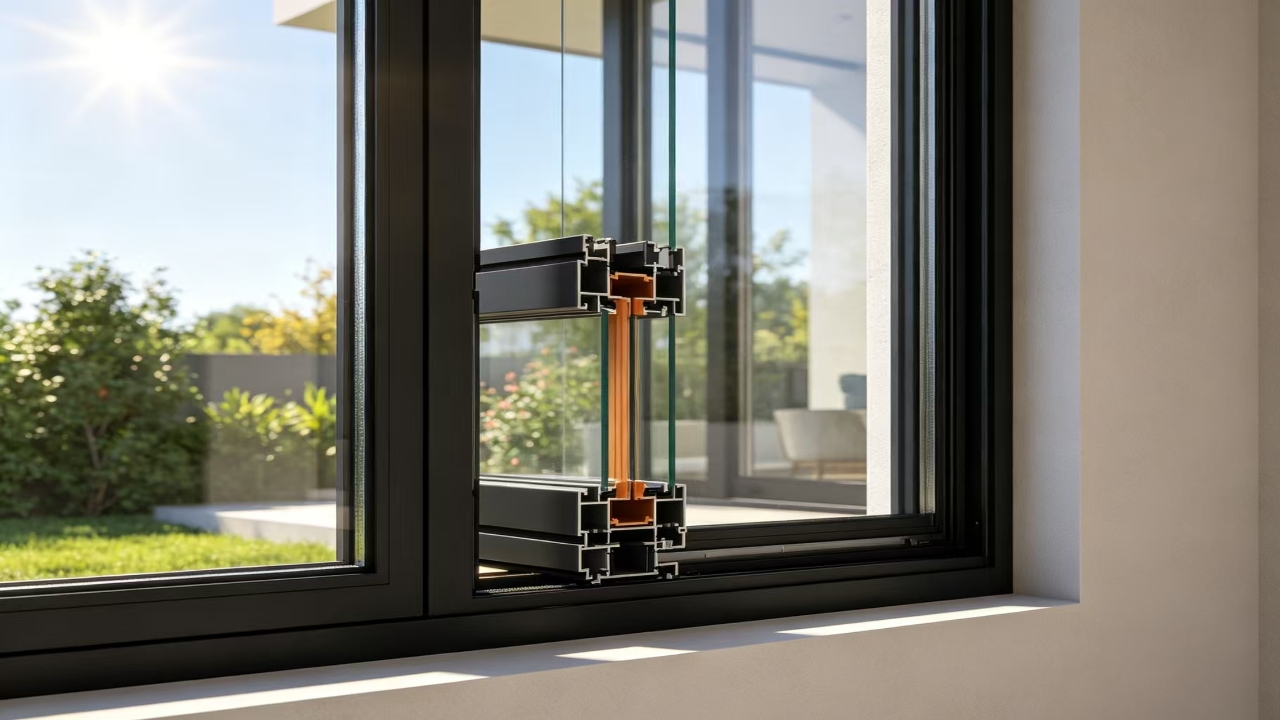
For projects with higher energy-efficiency requirements, consider thermally broken aluminum window systems. However, the thermal performance of the complete window depends on more than the frame. You should evaluate the thermal barrier, glass configuration, spacer system, sealing design and installation method together when reviewing specifications or comparing quotations.
Hardware and Window Weight
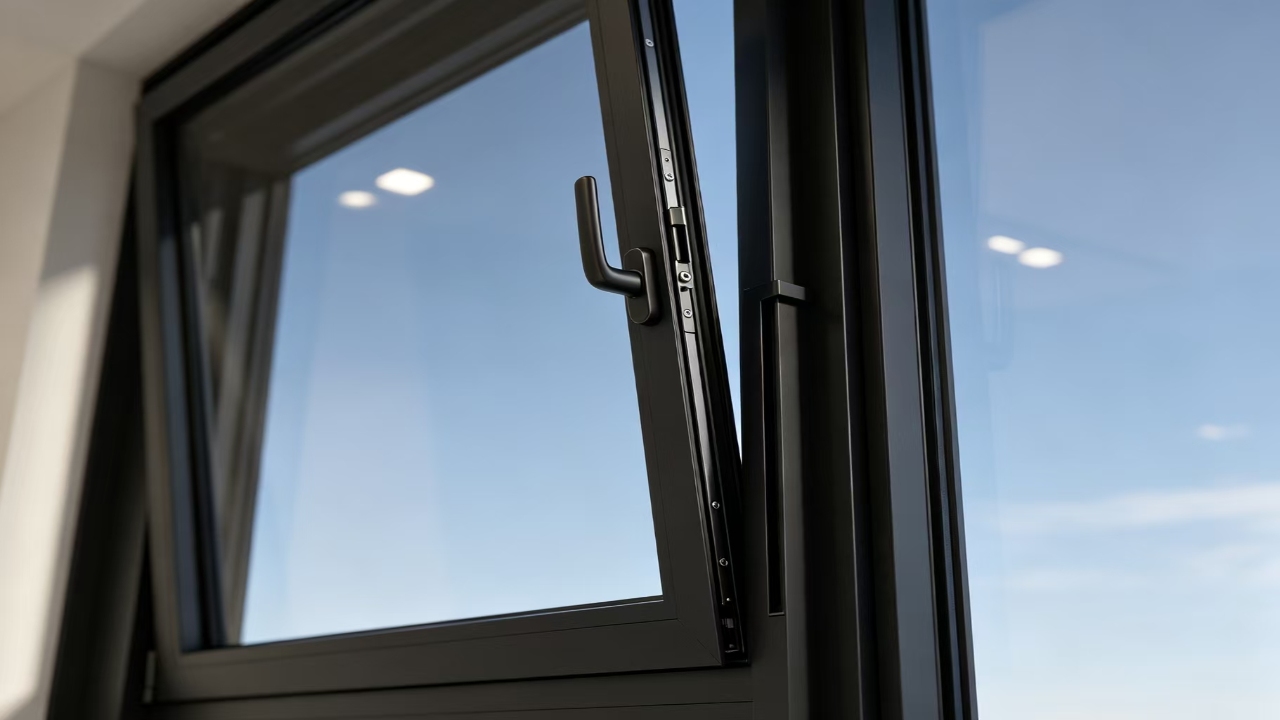
Window hardware should match the actual sash dimensions and glass weight. This is especially important for larger casement, awning and folding windows, where hinges, friction stays, rollers and other hardware carry significant loads. For sliding windows, roller capacity and track design directly affect daily operation and long-term performance.
Sealing and Drainage
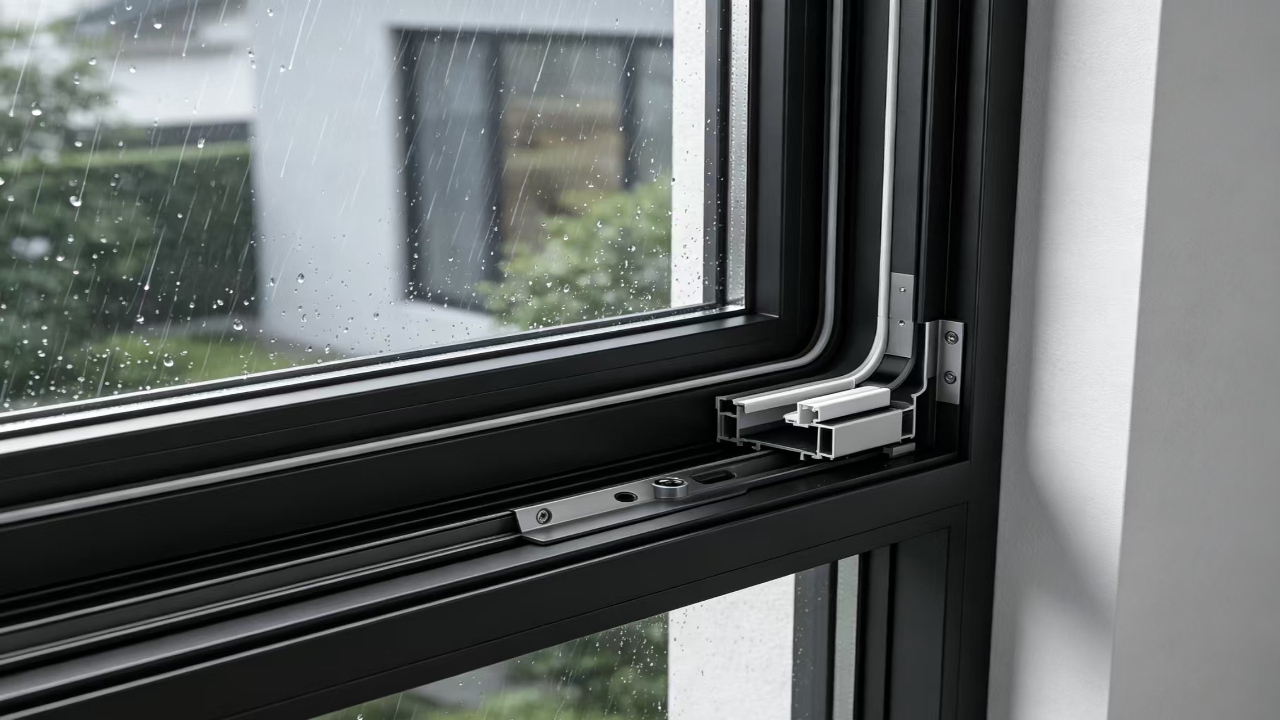
The window type also determines how sealing and drainage should be designed. Sliding windows typically rely on weather strips, interlocks and drainage paths, while hinged windows often use compression sealing around the sash. When comparing different configurations, you should evaluate the complete sealing and drainage system rather than looking at the aluminum profile alone.
Project Specifications and Budget
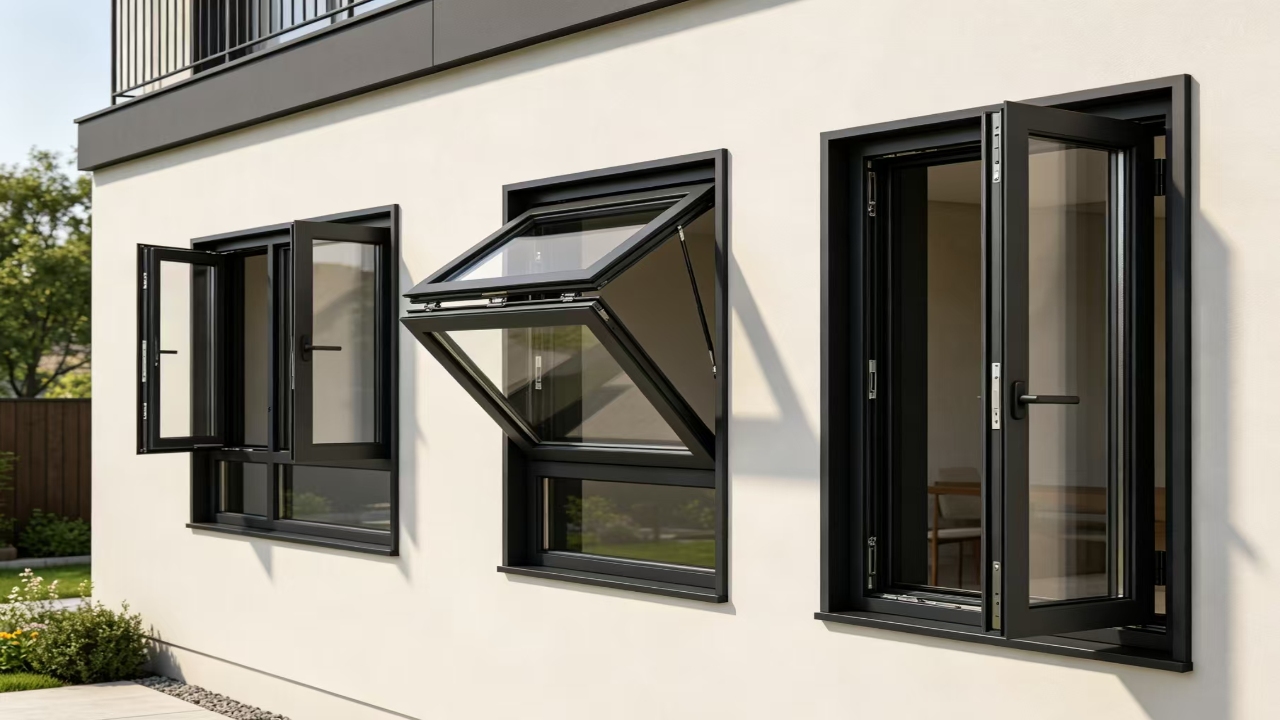
Before requesting quotations, define the key requirements for the window, including profile specification, glass type and thickness, hardware, surface finish, dimensions, sealing system and required performance. Comparing complete specifications gives you a more reliable basis for evaluating suppliers than comparing window prices alone. A lower quotation may reflect differences in materials, hardware or configuration that are not immediately visible.
FAQ
How long do aluminum windows typically last?
With proper material selection, surface treatment, hardware and installation, aluminum windows can provide long-term service. For project applications, you should consider the expected service environment and maintenance requirements when selecting the window system.
Do aluminum windows require regular maintenance?
Yes, but routine maintenance is relatively straightforward. You should keep the tracks and drainage openings clean, check seals and hardware periodically, and address any loose or damaged components before they affect the overall window operation.
What should you check before installing aluminum windows?
Before installation, you should confirm that the window dimensions match the openings and that the frames, hardware and accessories are complete. It is also important to check frame alignment, fixing points, drainage paths and the interface between the window and surrounding wall.
How do you prevent aluminum windows from operating poorly after installation?
Poor operation can result from several factors, including incorrect installation, frame misalignment, unsuitable hardware or excessive sash weight. You should therefore check the complete system during installation and make sure the frame, sash, rollers or hinges are properly adjusted before handover.
How do aluminum windows compare with windows made from other materials?
Aluminum windows offer a balance of structural strength, dimensional stability, durability, and design flexibility. Compared with materials such as uPVC or wood, aluminum profiles can support larger window configurations and slimmer frame designs, while requiring less maintenance than wood. For your project, the right choice should also consider window size, thermal requirements, appearance, and overall budget rather than comparing materials by price alone.
Final Thoughts
Get Your Customized Aluminum Windows from Verixor
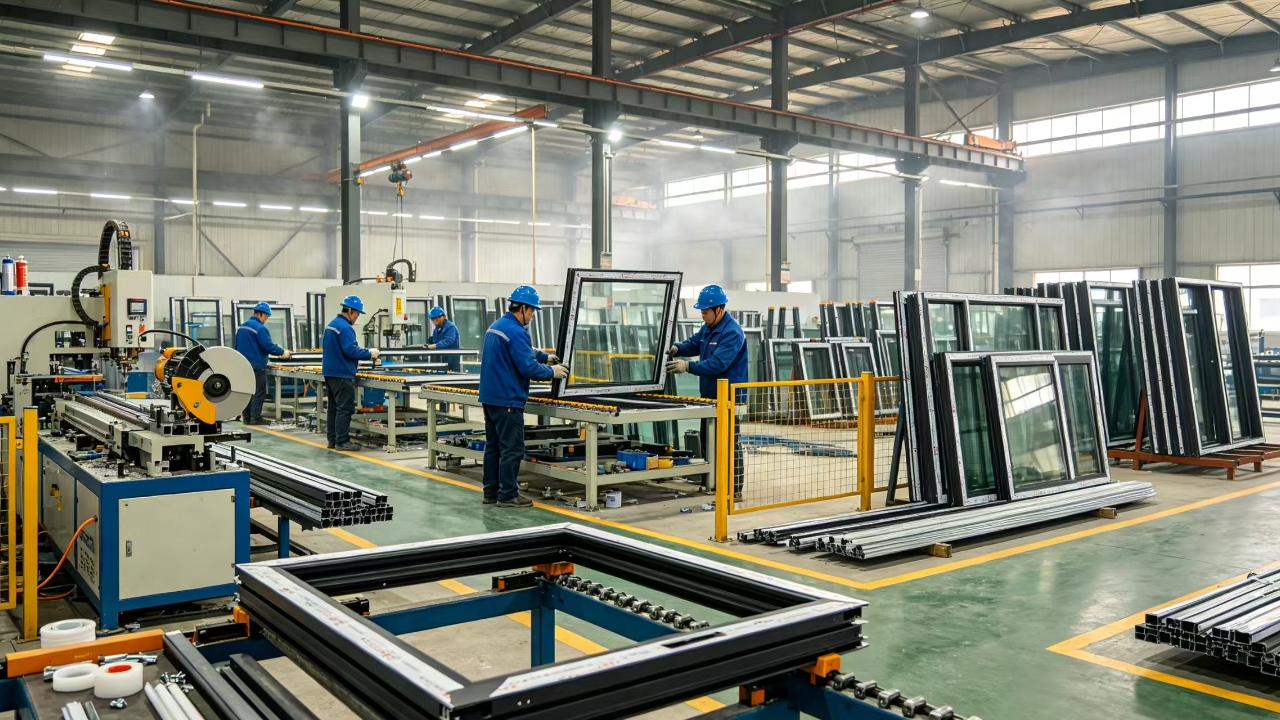
Verixor provides customized aluminum windows for residential and commercial projects.
With our windows, you get flexible designs, reliable performance, and solutions tailored to your opening sizes, glass, hardware, and project requirements. Contact us with your project details and get an aluminum window solution that fits your needs.