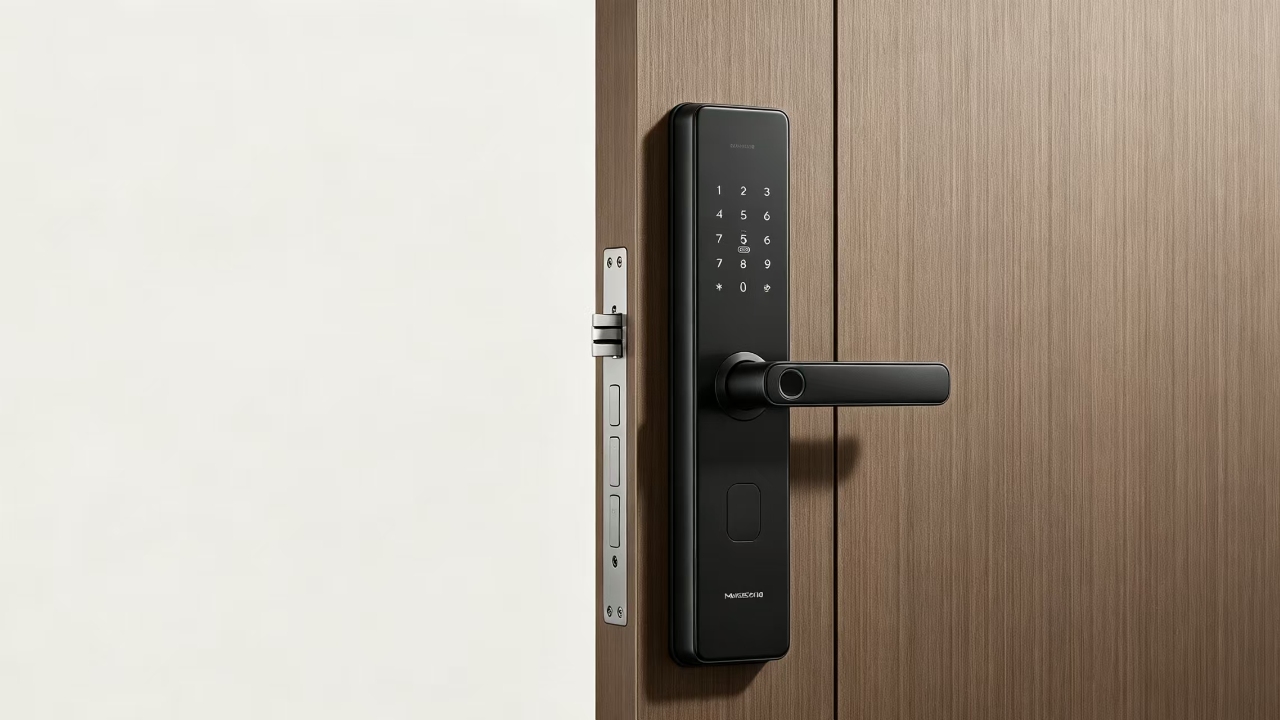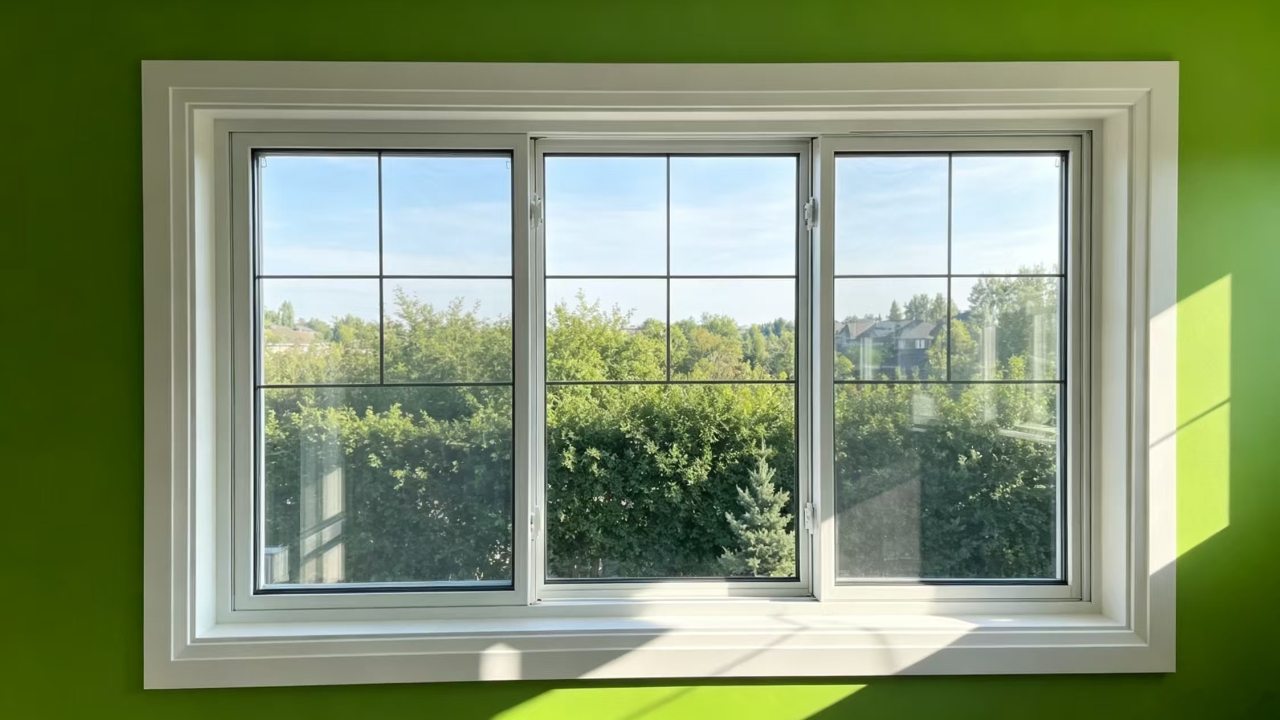
Aluminum window design is evolving with modern architecture. In 2026, windows are no longer just functional—they help shape the character, comfort, and beauty of a building. From slimmer frames to larger glass areas and smarter performance, these trends are changing how you design for today’s projects.
1. Minimalist Aluminum Window Design
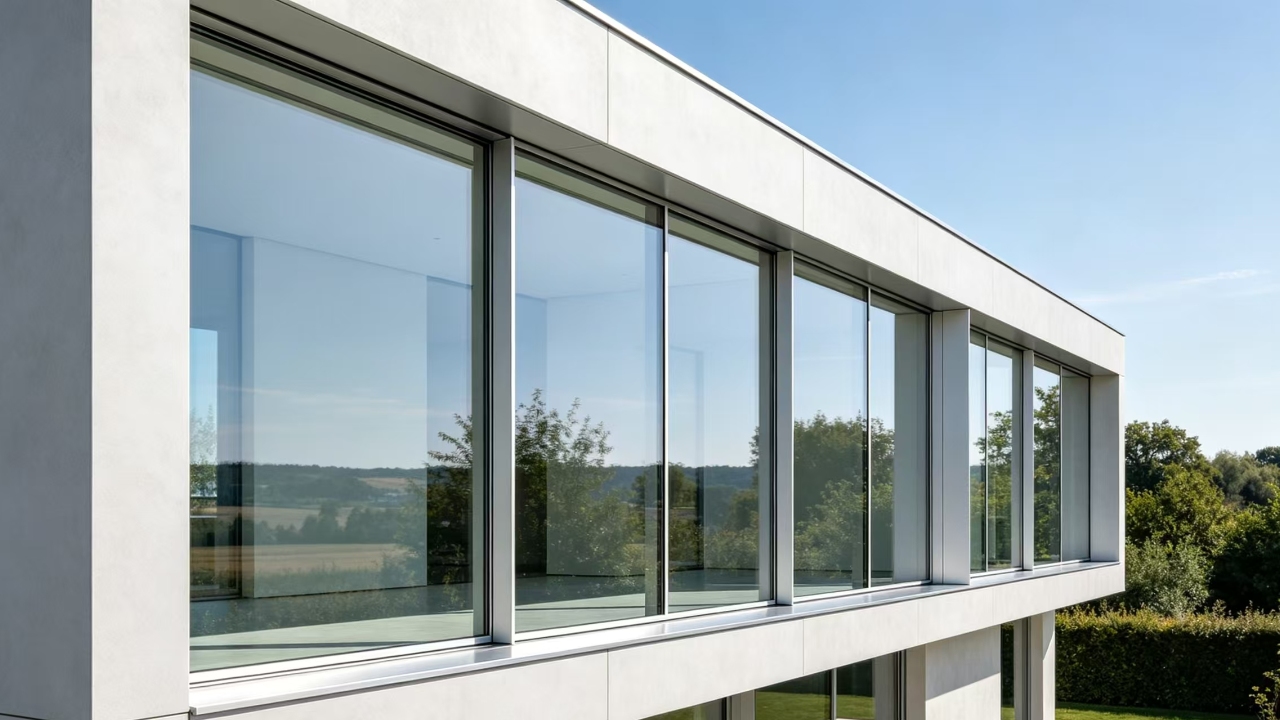
Minimalism continues to influence aluminum window design in 2026, with slimmer visible frames and cleaner lines becoming increasingly popular.
A slimmer frame allows more glass to occupy the opening, giving you a wider view and creating a lighter, more open appearance without adding unnecessary elements to the façade. For modern residential, hospitality, and commercial projects, this approach helps the windows integrate naturally with the overall architecture.
However, minimalist design is not simply about making the profile as narrow as possible. You still need to consider the required glass size and weight, wind load, hardware capacity, thermal performance, weather resistance, and the consistency of the window with the surrounding façade. A well-designed slim aluminum window should balance a clean appearance with the structural and performance requirements of the project.
2. Integrated Blinds for a Cleaner Appearance
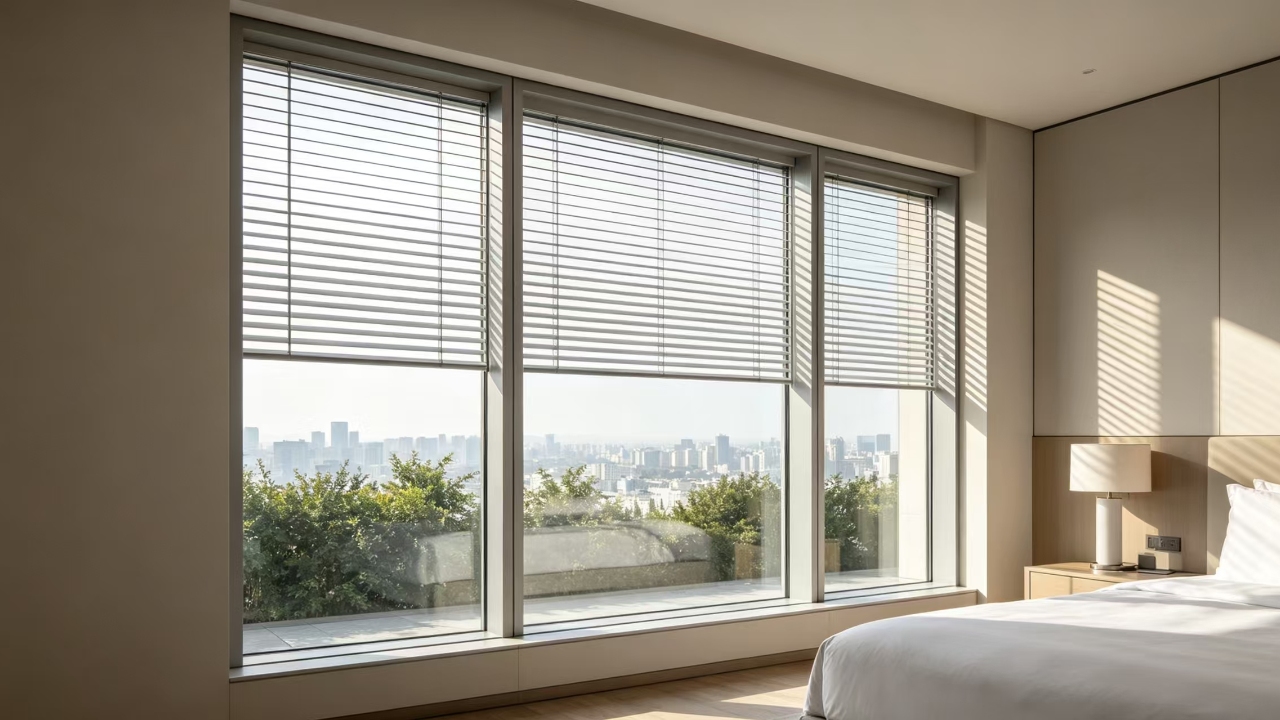
Integrated blinds are becoming an attractive design solution for projects where appearance and space efficiency are equally important.
Instead of installing blinds separately on the inside of the window, the shading system can be incorporated into the window or glazing assembly, creating a cleaner appearance and reducing visual clutter around the opening. This can be particularly useful for apartments, compact residential spaces, hotels, and other projects where interior space is limited, as you can control light and privacy without adding bulky window treatments.
When developing this design, you need to coordinate the available space within the glazing or frame system with the shading mechanism, glass selection, maintenance access, light-control requirements, privacy needs, and final installation appearance. Considering these details early can make the finished window cleaner and easier to use.
3. Bolder and More Customized Colors
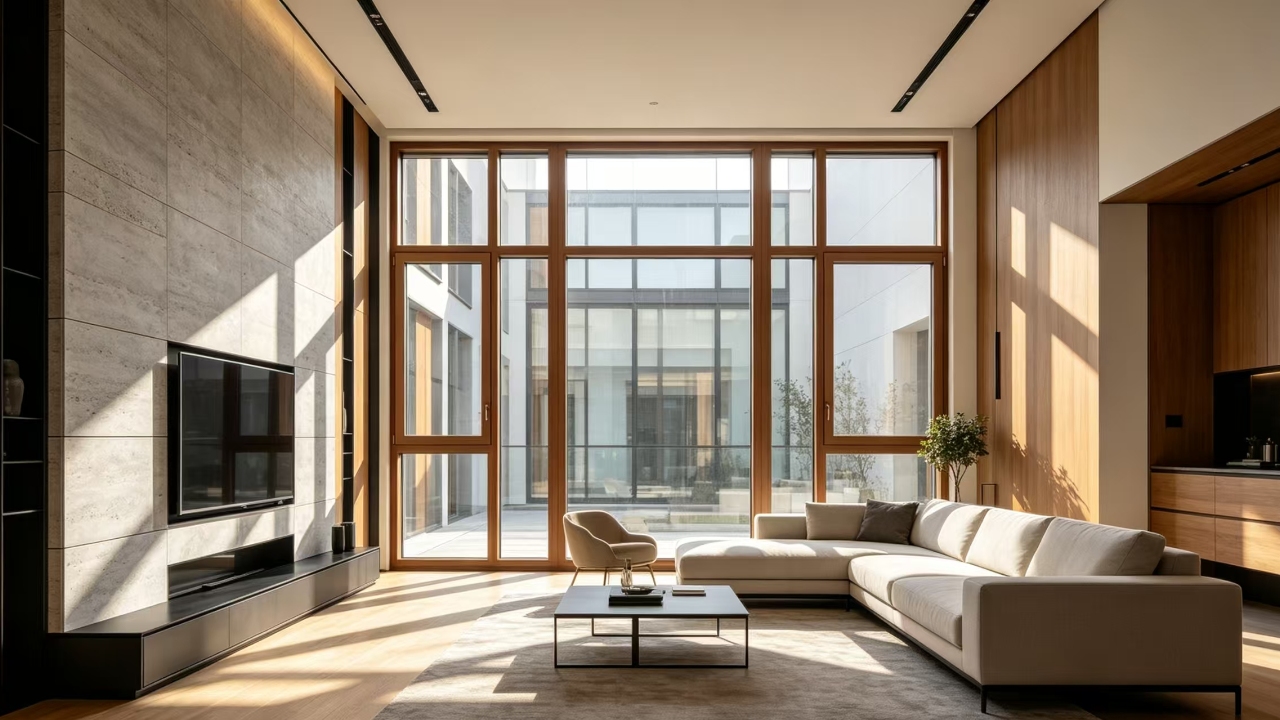
Color is becoming a more important part of aluminum window design in 2026. Modern powder coating and other surface finishing technologies give you far more choices than traditional white, silver, or basic gray, allowing the window frame to become part of the building’s architectural identity.
Bold colors can create a stronger visual statement, while neutral shades can help the windows blend naturally with the façade. Dark finishes often work well with modern and industrial architecture, while warmer tones can complement wood, stone, and other natural materials.
When selecting a finish, you should consider not only the color itself but also UV exposure, outdoor weather conditions, surface durability, project location, maintenance requirements, and color consistency between production batches. For large projects, confirming the finish before mass production is especially important to maintain a consistent appearance across windows, doors, curtain wall elements, and other aluminum components.
4. Larger Glass Panels and More Natural Light
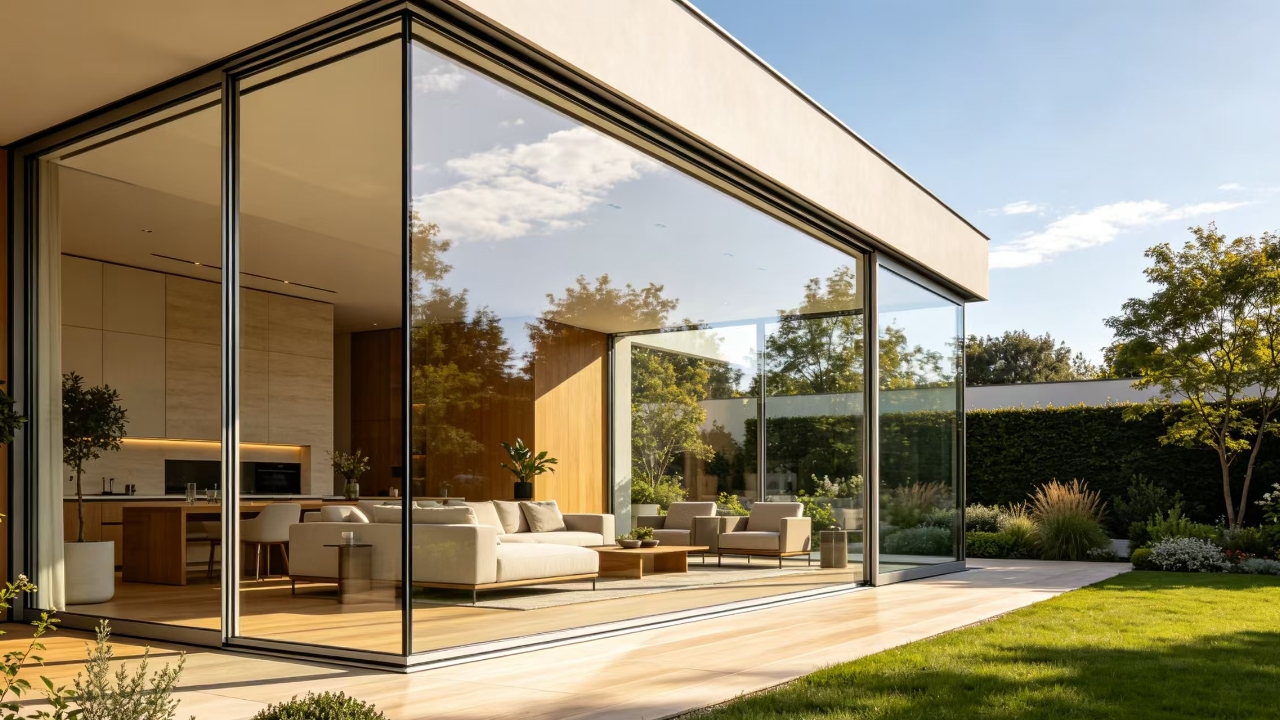
Larger glass areas remain one of the strongest aluminum window design trends in 2026 as architects look for more natural light and stronger visual connections between indoor and outdoor spaces.
For your project, however, choosing larger glass is not simply a matter of increasing the panel size. As glazing becomes larger and heavier, the frame, hardware, reinforcement, and installation method all need to work together to support the increased load.
Before finalizing a large-glass design, you should evaluate the maximum glass dimensions, thickness and weight, frame strength, hardware capacity, wind pressure, transportation and installation conditions, as well as thermal and acoustic requirements. This is where practical manufacturing experience becomes valuable, because a visually impressive window still needs to maintain reliable structural and functional performance after installation.
5. Energy Efficiency Becomes Part of the Design
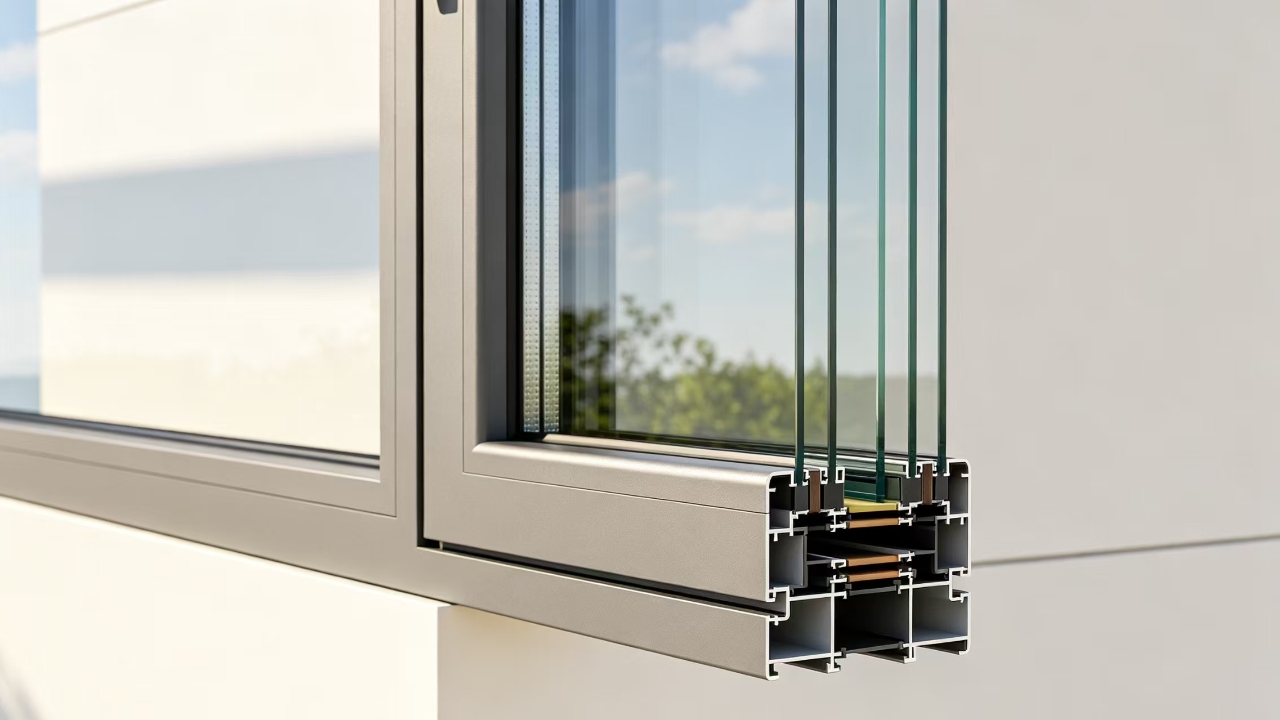
Energy efficiency is becoming an integral part of aluminum window design rather than a separate technical consideration. The frame, thermal barrier, glass, seals, and overall window configuration all influence the final thermal performance, so a visually attractive design may not deliver the expected results if these elements are not properly coordinated.
Depending on your project location and building requirements, you may need to consider thermal break aluminum profiles, double or triple glazing, Low-E glass, suitable glazing spacers, high-quality sealing systems, solar control, and air and water resistance.
The key is to treat the window as a complete system rather than upgrading a single component. For example, using high-performance glass without considering the frame and sealing system may limit the overall improvement in energy performance.
6. More Sustainable Materials and Longer Service Life
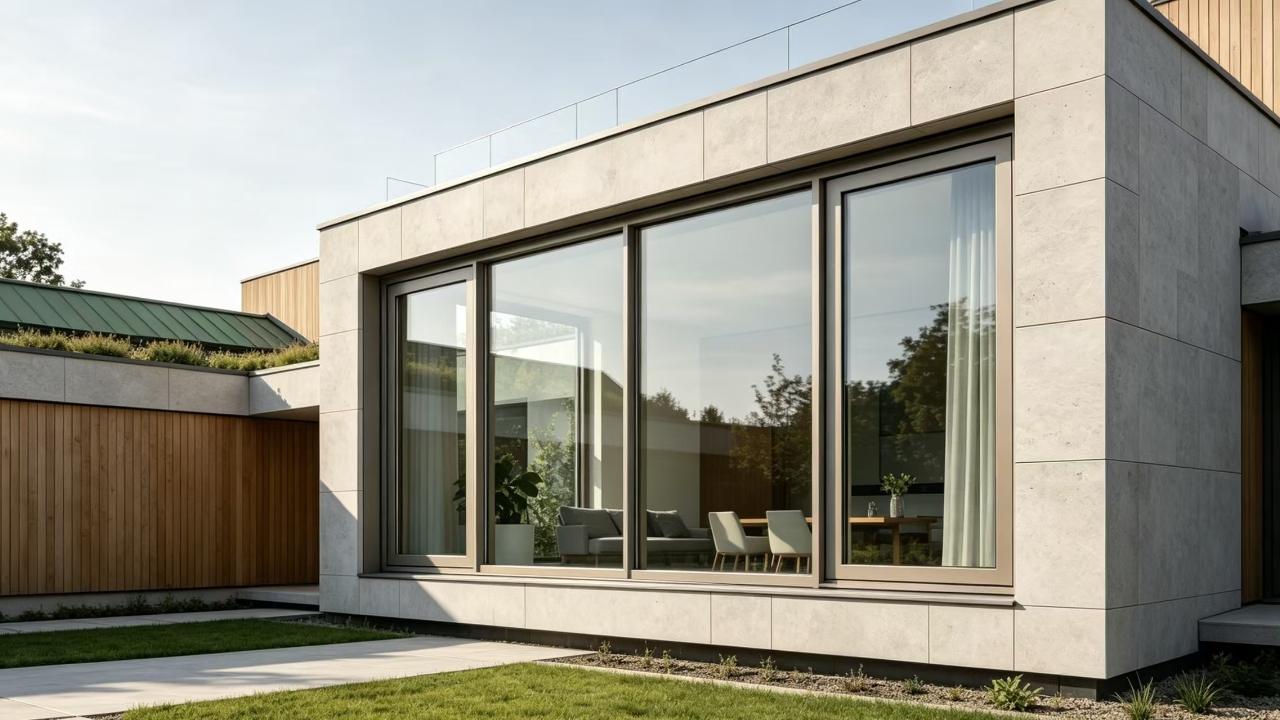
Sustainability is also influencing aluminum window design in 2026, with project owners and developers paying more attention to material life cycles, durability, energy consumption, and recycling potential. Aluminum can support this direction because it is recyclable and can provide a long service life when the material, surface treatment, structure, installation, and maintenance are properly considered.
For your project, sustainable design should not simply mean choosing a material labeled as environmentally friendly. You should also evaluate aluminum alloy quality, surface treatment durability, the expected service environment, glass energy performance, the replaceability of hardware and seals, recycling potential, and overall service life.
A durable window that maintains reliable performance over many years can reduce replacement needs and provide greater long-term value for the building.
7. Custom Window Shapes for Architectural Projects
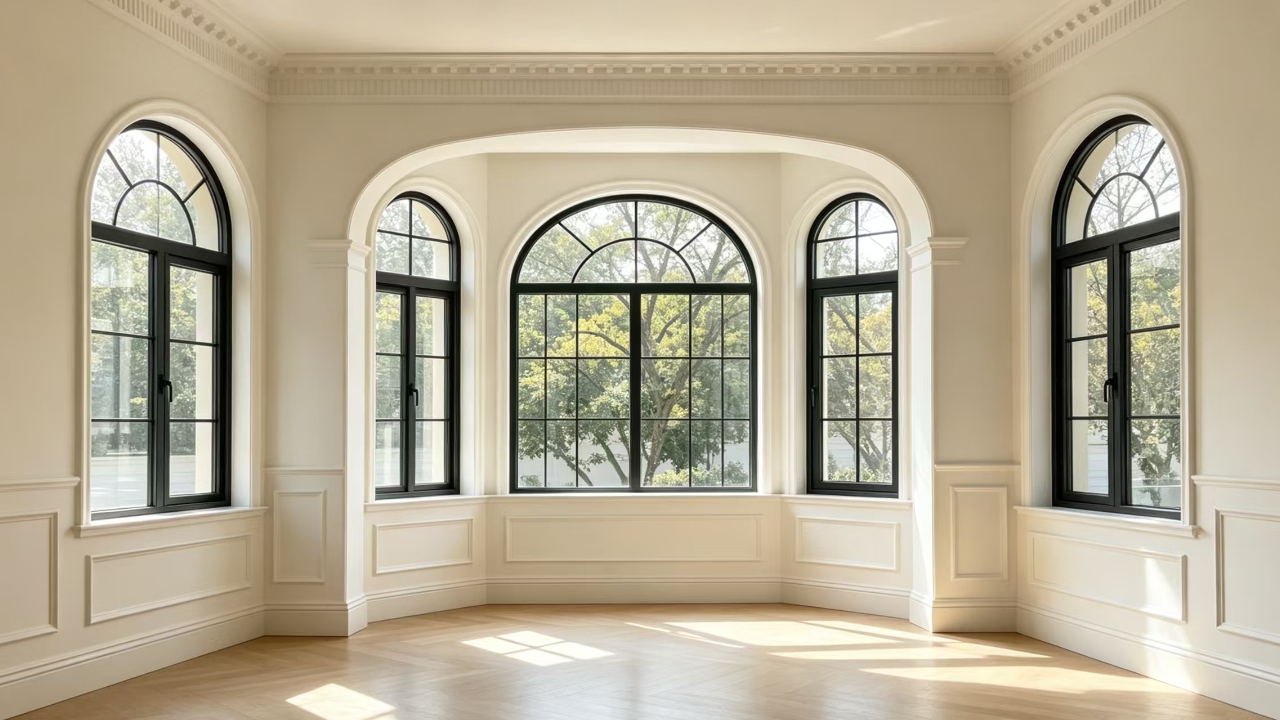
Customized window shapes are becoming increasingly valuable for projects that need a stronger architectural identity. While standard rectangular designs remain practical, architects can use unusual proportions, special angles, curved elements, or project-specific dimensions to create a more distinctive façade.
For you, successful custom window design should begin with the architectural drawing and consider manufacturing requirements from the start. Opening dimensions, profile geometry, glass processing limits, structural requirements, connection details, installation conditions, surface finishes, and production feasibility all need to be coordinated. Not every shape that looks achievable on a drawing is equally practical to manufacture, so early communication with the manufacturer can help identify potential issues and reduce modifications later.
For projects with repeated custom dimensions, accurate CNC processing, cutting, machining, and assembly are also important for maintaining consistency during production.
8. More Advanced Security Options
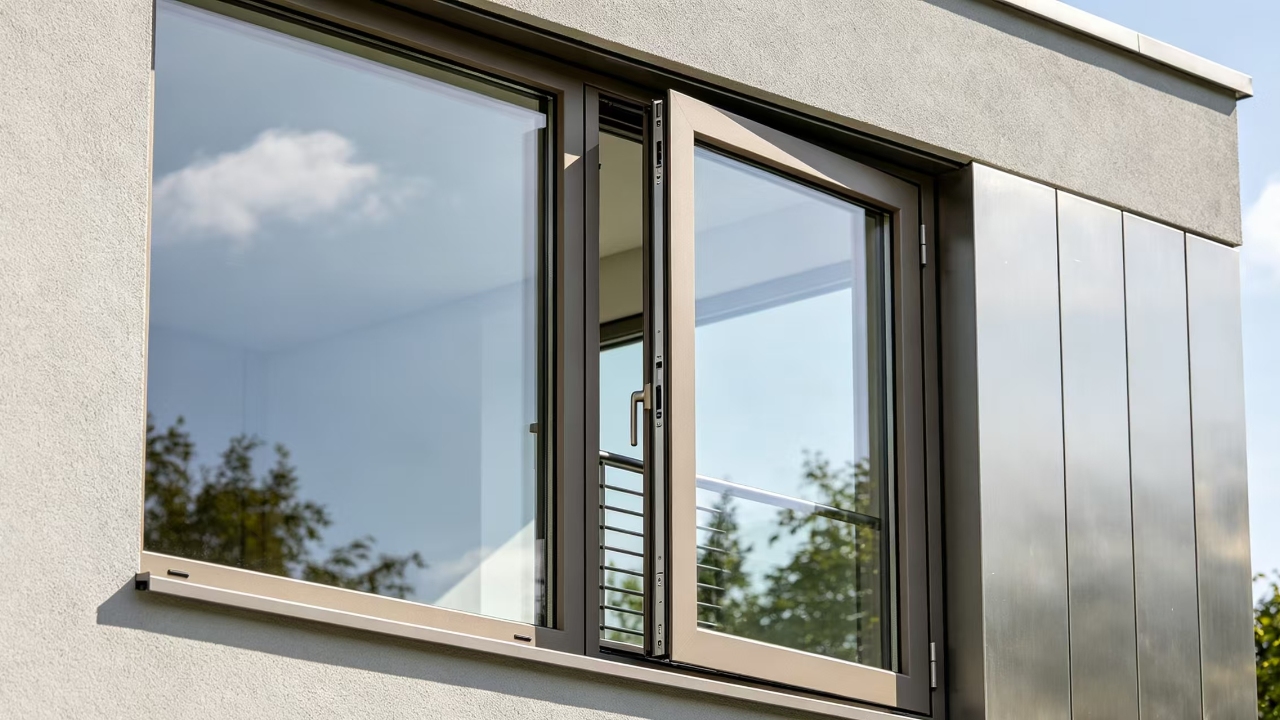
Security is becoming more closely integrated into aluminum window design rather than being treated as an additional feature added at the end of the project. For many buildings, you need stronger protection without making the window appear heavy or overly complicated.
High-strength glass, reinforced aluminum profiles, multipoint locking systems, stronger hardware, and reliable frame connections can work together to improve overall security while maintaining clean architectural lines. When specifying security features, you should evaluate the glass strength, number and position of locking points, hardware quality, frame structure, corner and connection strength, installation method, and the specific security requirements of the project.
The best approach is to balance protection with appearance so that security becomes part of the window’s overall design rather than compromising its modern architectural character.
How These Aluminum Window Trends Are Changing Project Design
The biggest change in aluminum window design in 2026 is the shift toward a more integrated approach. Instead of selecting the frame, glass, color, and hardware separately, you need to consider how these elements work together as one complete system. For example, a large-glass design may require stronger profiles and higher-capacity hardware, while a slim-frame design requires careful coordination of structural strength and glass specifications.
Similarly, a dark finish should work with the building’s facade materials and overall architectural style. When evaluating a window design, you should consider its appearance, frame-to-glass proportion, performance, durability, manufacturing feasibility, installation requirements, and customization options at the same time. This helps you avoid choosing a visually attractive window first and discovering later that its structure, glass, hardware, or installation requirements are not suitable for the project.
Customization vs. Standardization
Customization gives you more freedom to adapt aluminum windows to a project’s architectural style, including custom dimensions, colors, special shapes, and other design details. However, using too many non-standard elements can increase production complexity, affect cost, extend lead times, and make installation more difficult.
A more practical approach is to keep key components and manufacturing processes standardized where possible while customizing the dimensions, finishes, or shapes that are important to the project. This balance can help you achieve the desired architectural appearance while maintaining production efficiency, cost control, installation efficiency, and consistent quality across multiple windows. For large projects with repeated openings, combining standardized components with selected custom features can also make production and installation more predictable.
FAQ
How does frame-to-glass ratio affect aluminum window design?
The frame-to-glass ratio has a strong influence on the overall appearance of a window. A higher glass-to-frame ratio creates a more open and minimalist look, while wider frames can give the window a stronger visual presence. The right balance should be based on the architectural style, window dimensions, structural requirements, and glass specifications.
How should aluminum window colors be coordinated with a building facade?
The window finish should complement the building’s facade materials rather than being selected independently. Frame colors can be coordinated with exterior cladding, stone, concrete, metal, or other architectural elements. For large projects, maintaining a consistent finish across different window configurations can also help achieve a more cohesive appearance.
How can you create a consistent window design across different window sizes?
A consistent appearance can be achieved by maintaining key visual elements such as frame proportions, finish, glass appearance, sightlines, and division patterns while adjusting the dimensions for individual openings. This approach allows different window sizes to work together visually without requiring every window to use exactly the same configuration.
What makes an aluminum window design look more minimalist?
A minimalist aluminum window design usually relies on clean frame lines, controlled proportions, fewer visual divisions, consistent finishes, and a larger proportion of visible glass. However, reducing the visible frame should not come at the expense of structural requirements, glass weight, hardware capacity, or overall window performance.
How should window design be coordinated across different building elevations?
Different elevations may have different requirements for daylight, ventilation, privacy, weather exposure, and architectural expression. You can maintain a consistent overall design language while adjusting window configurations, glass specifications, opening methods, or shading strategies according to each facade. This creates visual consistency without forcing every elevation to use an identical window design.
Final Thoughts
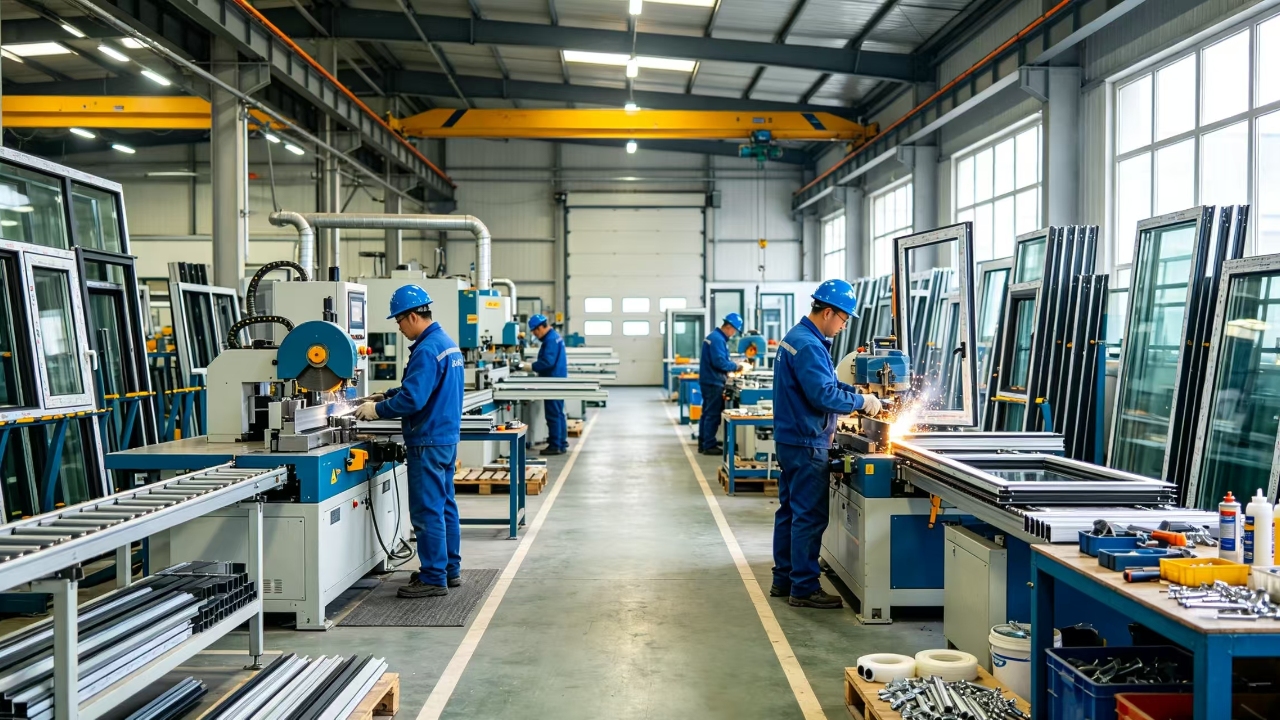
At Verixor, we believe a good aluminum window should do more than meet functional requirements—it should become part of the building’s design. With over 10 years of experience and a 10,000+ m² production facility, we customize profiles, glass, colors, dimensions, hardware, and special window shapes around your project needs, helping turn your design ideas into reality. Whether you are working on a new building or a renovation project, we are ready to help you create aluminum window solutions that balance beauty, performance, and long-term value.
Contact us and share your project ideas—let’s turn your vision for aluminum windows into reality.